‘India has always been a great friend and will remain so’: Sheikh Hasina
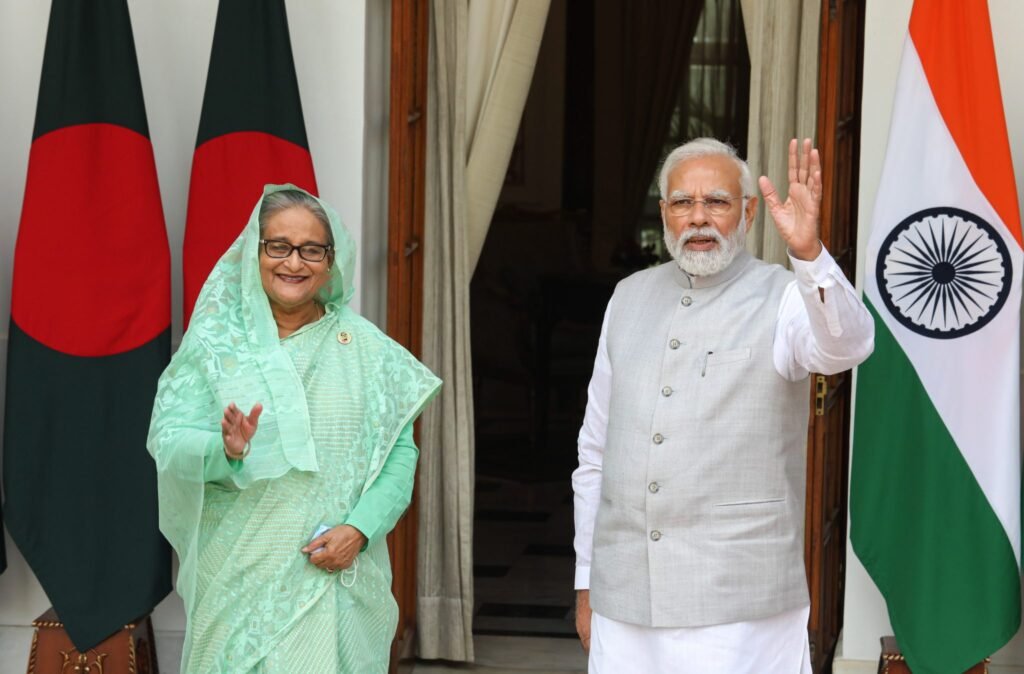
Sheikh Hasina spoke yesterday like someone who has carried the same thought for fifty years. No big speeches, no careful wording. Just the plain truth as she sees it. India has always been a great friend, she said, and it will remain so. She was talking from New Delhi, two years to the day after she left Bangladesh. The country she once led had turned against her. Crowds filled the streets. She had to go. India took her in, the same way it took her in long ago. She went back to those old days without any drama. In 1971, when everything was falling apart and people were running for their lives, India opened its borders. In 1975, after her father and almost her whole family were killed, India gave her and her sister a place to stay. She lived there six years. That memory never left her. Whenever Bangladesh was in real trouble, she said, India stood next to it and gave shelter. Governments come and go, she added, but that friendship stays. It was the first time she had talked properly to the press since she fled. The meeting was private. India made sure everyone knew it had nothing to do with the event. Dhaka had already complained. None of that seemed to matter to her. She just wanted to say what she felt. She has been living quietly under Indian protection all this time. Her son later said the government treated her with the same respect they would give a sitting head of state. The security never slipped. She has not forgotten that kindness either. But the real point of her words was not about staying safe in India. It was about going home. She plans to return in December. She knows what might be waiting. They may lock her up. They may even try to kill her. She said she is ready for that. Fear cannot decide her duty anymore. She cannot sit here while people she still calls her own are suffering. Her return is not about power, she insisted. It is about trying to help put the country back on its feet, back toward development and the values she believes in. She asked for the ban on her party to be lifted. She asked for her people who are in jail to be freed. She said she wants only to stand with ordinary Bangladeshis again. There was no anger in her voice, just that same steady belief. Her son was more direct. He warned that things in Bangladesh are turning dangerous, that militants once locked away are free again, and that this is not only Bangladesh’s problem. India should pay attention. Hasina herself stayed softer. She kept coming back to the older story, the one about a friendship that has lasted through many different governments on both sides. Anyone who has listened to her over the years will know these words. She has said them before, after elections, in interviews from exile, whenever the subject of India came up. India helped Bangladesh come into being. India sheltered her when she had nowhere else. Later the two countries fixed their borders, grew trade, and worked together on security. She has always called that partnership one of the most important things her country has. On this anniversary she simply said it once more, without any decoration. India stood with Bangladesh in its hardest hours, and she believes it will keep doing so. She is still in India for now. She even mentioned wanting to visit Nizamuddin Dargah before she leaves. When December comes, she says she will go. What happens after that, nobody can say for sure. But the friendship she spoke about is the one thing she seems completely sure of. Sources: Contemporary reports from Hindustan Times, NDTV, News18, The Indian Express, Reuters, The Hindu and ThePrint on Sheikh Hasina’s remarks of 5 August 2026. @Rohit Manral
Centre Summons Meta Public Policy Head Again Amid Row Over PM’s Video: Sources
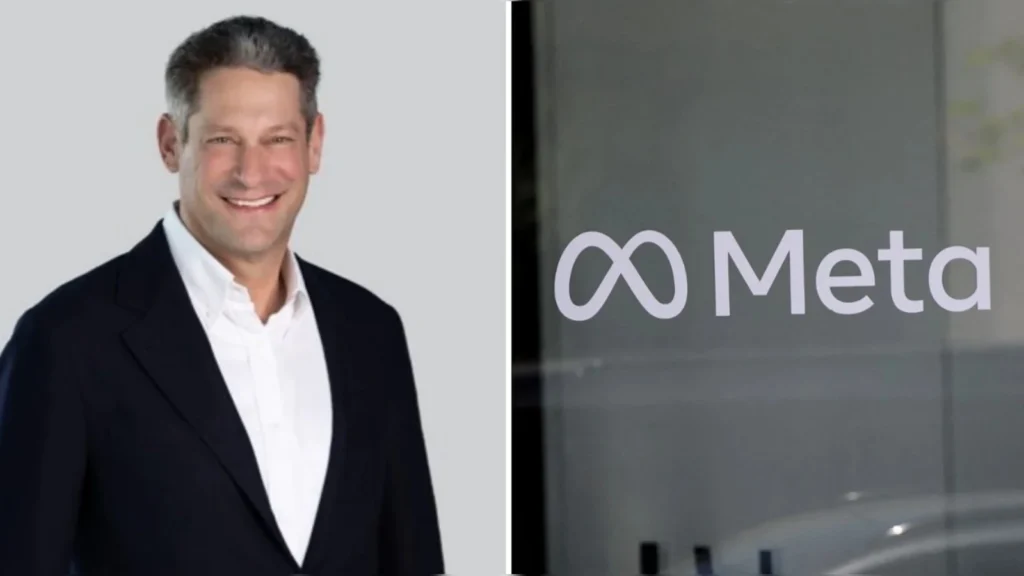
New Delhi: The Centre has once again summoned Meta’s global public policy head, Joel Kaplan, this time for a meeting this week, sources said, as the government continues to press the company over the brief removal of Prime Minister Narendra Modi’s video from Facebook last month. According to people familiar with the matter, Kaplan has been asked to meet officials on Wednesday. Technical officials from Instagram have also been called in. The government wants a clearer picture of how Meta’s algorithms decide what content gets more reach, especially after receiving multiple complaints that certain anti-government posts appear to travel farther on the platforms than others. This is the second time in about a week that Kaplan has been summoned. The first notice went out after Meta temporarily took down a video the Prime Minister posted on 23 July. In that selfie-style message, recorded amid the student protests led by the Cockroach Janta Party over alleged paper leaks in competitive exams, Modi told young people the issue was serious, that culprits had already been arrested, and that the government would bring stronger laws with fast-track courts and stricter penalties. The post, first put up on Instagram and later shared on Facebook, was restricted for several hours. Users in India who tried to view it saw a notice saying the media was unavailable in their region due to a legal request. Meta later restored it and said the content had been “removed in error.” Company sources told the government it was a glitch in the automated content filters that were scanning shared versions of the video and somehow flagged the original post as well. IT Secretary S. Krishnan made it clear the explanation did not fully satisfy the ministry. He called the removal of content from the Prime Minister’s verified handle “an extremely disturbing occurrence” that should never have happened. While he noted Meta’s apology, he said the technical-glitch account was not adequate and that deeper discussions were needed on both policy and technical levels. Sources say the government is now likely to seek a written apology from Meta for the incident and a detailed written submission explaining the so-called glitch. Officials also want to understand the safeguards the company has put in place since then. Meta has told the ministry that posts from the Prime Minister and certain other high-profile accounts will now face additional layers of review by senior company officials before any restriction can be applied. The idea is to prevent a repeat. The issue did not stay limited to the ministry. On Monday, Meta officials faced pointed questions from the Parliamentary Standing Committee on Communications and Information Technology. Members told the company that a simple apology was not enough. They wanted to know who authorised the takedown, why objectionable content targeting the Prime Minister stayed up while his own message was pulled, and what protection ordinary users could expect if even the head of government’s verified post could disappear for hours. BJP MP Nishikant Dubey, who chairs the panel, later said Mark Zuckerberg himself must apologise. If he does not, Dubey warned, Meta’s safe-harbour protection under Section 79 of the IT Act could be at risk in several cases. The timing of the original video made the episode more sensitive. It came during weeks of student agitation over exam irregularities that eventually led to the resignation of the then education minister. The Instagram version of the message crossed hundreds of millions of views. The Facebook restriction, even if brief, raised questions inside the government about whether the company’s systems treat content from Indian public figures with the care required under Indian law. Alongside the video row, the ministry has been raising broader concerns with Meta. These include the spread of deepfakes and synthetically generated content, compliance with the IT Rules, and earlier notices over child sexual abuse material appearing in paid advertisements. Officials have repeatedly said messages conveyed to Meta’s India team did not seem to be reaching the company’s global leadership in the United States with enough urgency, which is why the summons now go directly to senior global executives. Meta has maintained that the removal was an unintended error and has pointed to the new protocols for prominent accounts. The company has also said it is cooperating with investigations, including a separate case registered by Hyderabad cybercrime police against its India head and certain accounts over AI-generated and morphed videos targeting the Prime Minister that circulated during the same protest period. For the government, the episode has become a test of how global platforms handle content that originates from the highest elected offices in the world’s largest democracy. Officials insist they are not seeking special treatment so much as consistent application of rules and reliable systems that do not treat a verified message from the Prime Minister as routine user content that can be swept up by an automated filter. The row has already drawn attention beyond the immediate parties. It has renewed debate about the balance between platform autonomy and the responsibilities that come with operating in a large democracy where social media remains a primary channel for official outreach and public discourse. For now, the summons signal that the matter remains open and that the Centre expects Meta’s global leadership to engage directly and substantively. Sources: NDTV, The Indian Express, The Hindu, The Print, News18, PTI reports, statements by IT Secretary S. Krishnan, and comments by Parliamentary Standing Committee members. @Rohit Manral
Bankipur Shock: Prashant Kishor Ends BJP’s 30-Year Grip as Opposition Cheers, Datia and Manjalpur Bring Mixed Results
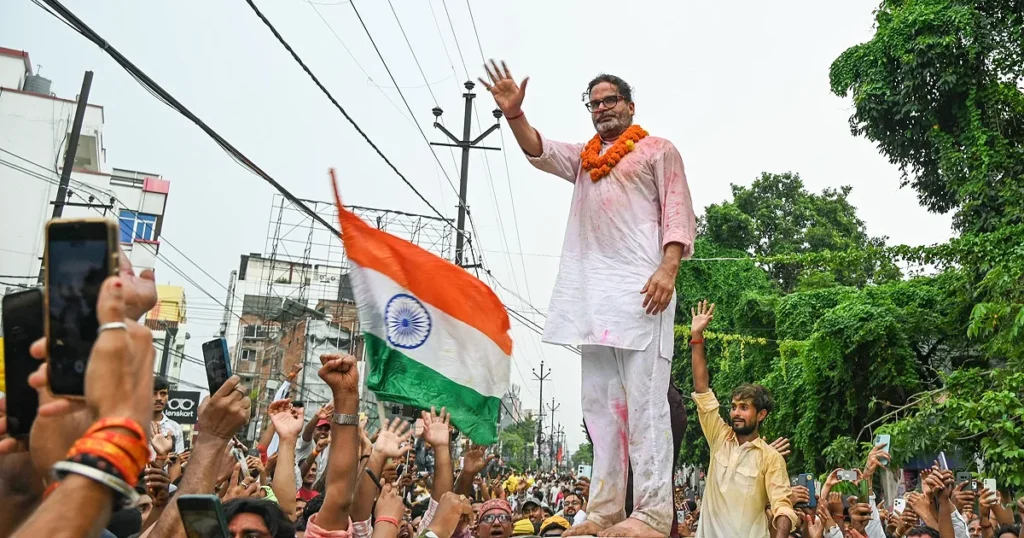
Look, Monday’s bypoll results came in and suddenly everyone was talking. Prashant Kishor, the guy who spent years helping other parties win elections, walked into Bankipur in Bihar and took the seat that the BJP had held since 1995. He beat Neeraj Kumar Sinha by a bit over 19,000 votes. Kishor got around 64,000. That seat belonged to Nitin Nabin, who had become BJP’s national president and then moved to the Rajya Sabha. For three decades nobody had touched Bankipur. Now it’s gone. Kishor was contesting for the first time under his own party, Jan Suraaj. People in Patna’s urban pockets seemed ready for something different. Younger voters, middle-class families, folks tired of the same old promises – they showed up. Kishor himself didn’t act like he’d just solved everything. After the win he said there would be no overnight miracles. He used the moment to take a hard swipe at Bihar Chief Minister Samrat Chaudhary, saying the result showed people hadn’t accepted the current leadership and that Bihar needed better hands at the top, no matter which party. The opposition wasted no time celebrating. They called it a clear message. CPI(ML) Liberation’s Dipankar Bhattacharya congratulated Kishor and said Bihar’s youth had delivered a sharp blow to what he described as an arrogant and incompetent government. Others piled on, saying even the BJP’s strongest urban seats are no longer safe. For a new party still finding its feet, grabbing a BJP fortress in Patna felt bigger than just one seat. It wasn’t a clean sweep against the BJP though. Over in Madhya Pradesh’s Datia, Congress managed to hold on. Ghanshyam Singh beat BJP’s Ashutosh Tiwari by a little more than 6,000 votes. Singh got about 66,757, Tiwari around 60,741. That seat had become vacant after the previous Congress MLA’s conviction. The BJP didn’t field former home minister Narottam Mishra, and that decision had already created some local anger among Mishra’s supporters. Congress was happy to keep what it already had. Gujarat told a different story. In Manjalpur, the BJP stayed comfortable. Satish Patel (some reports call him Satendrabhai Patel) defeated Congress’s Bhikhabhai Rabari by over 30,000 votes. Patel secured 55,481 against Rabari’s 24,851. Turnout was low, around 37.5 percent, but the margin was still solid. The seat had fallen vacant after the death of BJP MLA Yogesh Patel. Even with fewer people voting, the organisation held. These were three different fights in three different states, yet the Bankipur result dominated the conversation. Losing a seat the party had owned for thirty years, and losing it to a political newcomer who used to work behind the scenes, stung. BJP leaders spoke about introspection. They pointed to Manjalpur as proof that their core strength remains, especially in Gujarat. Still, the losses in Bihar and Madhya Pradesh will force some hard questions inside the party. For Kishor the real test starts now. Winning is one thing. Delivering in Bankipur, with all the expectations that come with beating the BJP in its old stronghold, is another. In Bihar’s crowded opposition space, his win also changes the maths a bit. Tejashwi Yadav and the RJD will be watching closely. A new player with a high-profile victory can shift the conversation, even if it’s just one seat for now. Voters in these places sent different signals. In Bankipur they were ready to try someone new. In Datia they stuck with the sitting party. In Manjalpur they stayed with the familiar. Bypolls don’t rewrite the whole political map, but they do act like early warning systems. Monday’s results suggest that in some pockets, especially urban Bihar, patience is running thinner than the BJP expected. Kishor has the seat. The opposition has a talking point. The BJP has some explaining to do in two states and a solid hold in a third. That’s where things stand after a day that felt bigger than three assembly bypolls usually do. Sources: Coverage from Times of India, NDTV, India Today, Hindustan Times, LiveMint, Newsgram, and Election Commission figures reported across these outlets on 3 August 2026. @Rohit Manral
‘PM Gave My Daughter a New Life’: A Mother’s Quiet Thank You After the Storm at Jantar Mantar
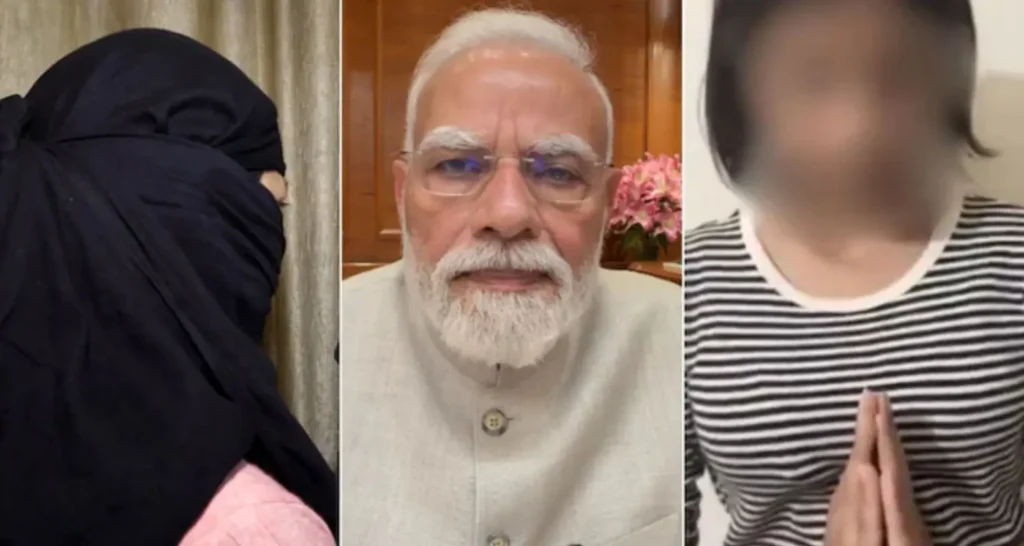
Not the big political theatre, just a mother sitting somewhere, voice a little shaky, talking about her girl like any parent would. That’s what this feels like. A few days ago, a video from the student protests at Delhi’s Jantar Mantar went everywhere. In it, a young woman from Noida — identified as Ruchika Singh — was seen using harsh, abusive language against Prime Minister Narendra Modi, and even referring to his late mother. The clip spread fast. An FIR followed. Social media did what it does. Then the girl put out an apology video of her own, head bowed, saying she was only 15, that she got carried away by the crowd, that it was her first and last mistake, and that she was sorry to the whole country. Now her mother has spoken. And her words are simple, almost disarming. “He gave my daughter a new life,” she said, referring to the Prime Minister. She told PTI that Modi’s decision to forgive the youngsters involved felt like jeevanadaan — a gift of life. “It’s her birthday today, and she has received her greatest gift from PM Modi. Today she is reborn. I thank him with folded hands.” There’s a raw honesty in the way she put it. No grand statements, no political spin. Just a mother who watched her child’s name get dragged through a very public mess and then saw the country’s most powerful man choose not to press the advantage. In a video message earlier, Modi had said the language used against him and his late mother was a “cultural shock,” but he didn’t want the young people punished or made to run around courts. “Let’s guide the misguided,” he said. “I want to forgive them, and society too should accept this.” For this mother, those words landed like relief. She apologised for what her daughter had done and asked that the FIR be withdrawn. She also made a practical request that feels very parent-like: ban Instagram and Facebook for children between 10 and 20. Let them study, she said. Keep small children away from such protests. “These children are only taken advantage of… They don’t have an understanding of the world and the society, nor do they know how to respect elders.” You can almost hear the worry behind it. A parent watching how quickly phones and crowds can pull a young person into something they later regret. The background is messy, as these things usually are. The protests at Jantar Mantar were part of the larger anger over exam issues and education. Things turned chaotic. Police action, injuries, slogans that crossed lines. The girl’s age has been a point of confusion — the FIR reportedly listed a birth year of 1994, while she has claimed to be 15. Neighbours and local reports have painted a more complicated picture of her life in Noida and Faridabad. But none of that changes the core of what the mother is saying: a moment of forgiveness felt, to her, like a second chance. There’s something quietly human about the whole exchange. A young person caught on camera saying ugly things. A Prime Minister choosing the language of guidance over retribution. And a mother, on her daughter’s birthday, treating that choice as the best gift possible. Some feel the abusive language, especially the personal attack involving Modi’s mother, crossed a line that shouldn’t be excused so easily. Others argue that focusing on one girl’s words distracts from the deeper frustrations that brought students to the streets in the first place. Rahul Gandhi and others have pushed back, saying the real apology needed is from the system that failed these young people. Fair points exist on all sides. But the mother’s voice cuts through the noise because it isn’t trying to win an argument. It’s just a parent saying thank you for not destroying her child’s future over a terrible mistake. She also spoke about influence. How easily young people can get swept up when groups are shouting and cameras are rolling. That part feels familiar to anyone who’s raised teenagers or remembers being one. The crowd energy, the desire to belong, the moment you say something you can’t take back. Social media then freezes that moment and multiplies it a million times. No wonder she’s asking for age limits on those platforms. In the end, this isn’t a story about politics winning or losing. It’s about a mother who believes her daughter got a second chance because someone in power chose restraint. Whether that forgiveness leads to real learning, or whether the FIR stays or goes, remains to be seen. But for one family right now, the words “new life” are not a slogan. They’re a mother’s way of saying the worst day didn’t have to define everything that comes after. And maybe that’s worth sitting with for a moment — the idea that even in the middle of angry protests and viral outrage, a bit of grace can still reach a kitchen table somewhere in Noida and change the temperature of a family’s fear. Sources: @Rohit Manral