If Gyanesh Kumar Goes, Modi Will Have to Follow Suit: Dipke
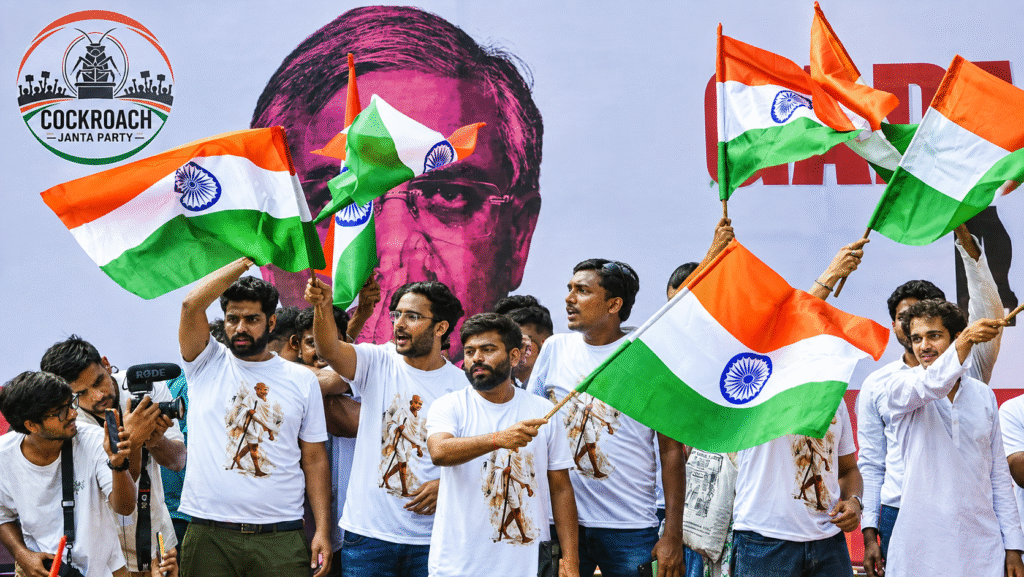
Mumbai, October 3 – Abhijeet Dipke is not mincing words anymore. The Cockroach Janta Party founder stood at Shivaji Park in Dadar and said straight out that if Chief Election Commissioner Gyanesh Kumar does not resign, then Prime Minister Narendra Modi will have to go as well. He called the whole thing “vote chori” on a massive scale. Dipke claimed nearly 13 crore names have been struck off the voter lists in the last couple of years. That number, he said, is no coincidence. It lines up with the difference between the NDA and the opposition in the 2024 Lok Sabha polls. According to him, once Kumar took over as CEC, the government started deciding who gets to vote and who does not. “Is this still democracy?” he asked the crowd. Dipke did not stop at the Election Commission. He pointed the finger directly at the Prime Minister. He said Modi is the one pulling the strings. If the Centre refuses to make Kumar quit, then the protests will demand Modi’s resignation next. “If Gyanesh Kumar does not leave his post, the Prime Minister will have to resign,” he told the gathering. He warned that Jantar Mantar 2.0 is coming, and even if they lock him up for three months, he will come back. The protest itself had a mix of young faces. People held placards, did street plays, sang a bit. Dipke announced the next steps: similar protests in Goa, Karnataka, West Bengal, Uttar Pradesh, Bihar and Jharkhand. If nothing happens by the end of October, they will camp at Jantar Mantar in Delhi. He made it clear CJP will not join the opposition’s planned protest on October 6. They want to stay separate. He put the current mess in a longer story. After 2024 did not go as the BJP hoped, he said they turned to voter-list changes in Maharashtra, Delhi, Tamil Nadu and West Bengal. Leaders like Mamata Banerjee, Stalin and Kejriwal, he claimed, lost because so many voters simply disappeared from the rolls. At the same time, he said the party let opposition governments stay in some places while tightening its grip on the bigger states. He compared it to match-fixing. Dipke also spoke about the constant party-hopping. He said 111 sitting MLAs and MPs switched sides between 2022 and 2026. If legislators can be bought like that, why bother with elections at all? Just auction the seats like IPL players, he said. He brought up the splits in Shiv Sena, NCP and other regional parties, arguing the real aim is one country, one party. There is the internal report hanging over everything. The Indian Express had detailed how Election Commissioners Sukhbir Singh Sandhu and Vivek Joshi put formal objections on record at least 14 times in ten months. Some of those notes said decisions were taken without them even knowing. The Commission’s line has been that different views are normal and every order is legally sound. Kumar is a 1988-batch Kerala cadre IAS officer. He became CEC in February 2025. Earlier he worked in the Home Ministry around the Article 370 decision and the Ram temple trust. He was the first CEC chosen under the 2023 law that changed how the panel is selected. Opposition parties have been after him for months over the Special Intensive Revision. CJP has now raised the stakes by tying his job to the Prime Minister’s. Dipke also made a broader appeal. He said the last twelve years have been spent dividing people on Hindu-Muslim lines. He asked people to put that aside and stand together as Indians first. Support whoever you want, he said, but right now the vote itself is under threat. Whether any of this forces a resignation is another matter. The Election Commission has given no sign that Kumar is leaving. The government has treated the internal notes as ordinary differences. Still, Dipke’s words at Shivaji Park have made the demand sharper. In his telling, Kumar and Modi are now linked. The protests are set to continue, and CJP says it will not back down until the CEC goes. Sources:ETV Bharat report on Dipke’s Mumbai statements, October 3, 2026Deccan Chronicle, Hindustan Times, Outlook India, ThePrint, Moneycontrol and PTI coverage of CJP protests and the SIR row, September 24 to October 2, 2026Indian Express investigation into objections inside the Election Commission @Rohit Manral
Dharmendra Pradhan Steps Down as Education Minister After Weeks of Student Protests at Jantar Mantar; Centre Moves to Clear the Site
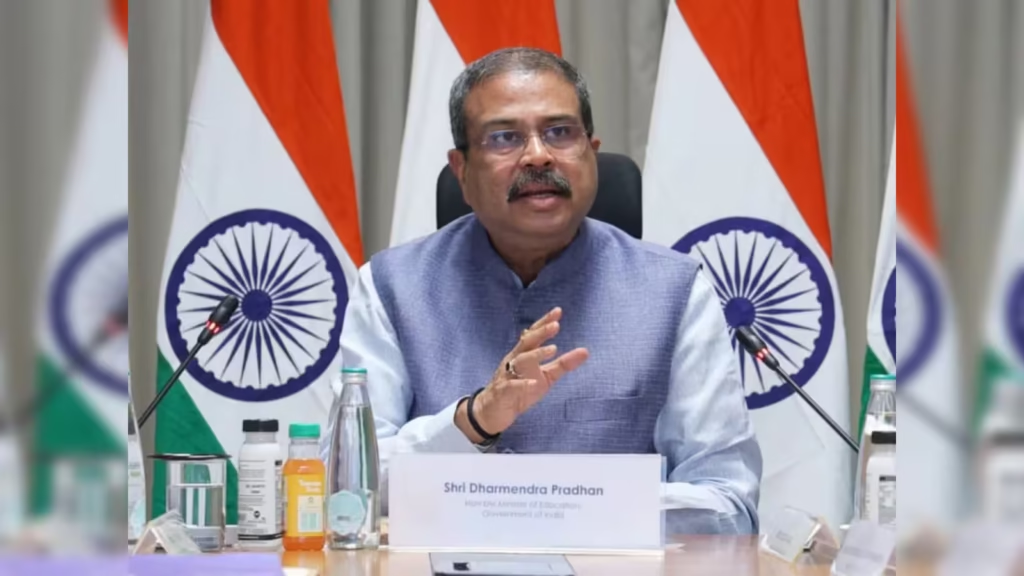
On Saturday in Delhi. After more than a month of students camping out at Jantar Mantar under the banner of the Cockroach Janta Party, or CJP as everyone has started calling them, Union Education Minister Dharmendra Pradhan announced his resignation. And almost right after that, the government began taking steps to clear the protest site that had become the centre of the whole storm. It all started with the NEET-UG paper leaks and the long list of anomalies that followed. The CJP, led by Abhijeet Dipke, turned that furious into a continual sit-in at Jantar Mantar starting around mid-June. What began with a few dozen people grew into thousands. They stayed through the heat, through police action, through rounds of talks with the Centre. Their main demand was simple and stubborn: Pradhan must go. By Friday, after a second meeting at the Constitution Club, the government asked for one more day. The students said they would wait till Saturday afternoon. Then, earlier than anticipate, Pradhan posted on X. He said he was taking moral responsibility. He wrote that he did not want the protests to be used by what he called anti-national forces, and that students should be able to get back to their studies without getting stuck in legal cases or endless perturbation. The President accepted the resignation the same day on the counsel of the Prime Minister. Within hours, Union Minister Pralhad Joshi was given additional charge of the Education Ministry. Dipke told the crowd it was their first big breakthrough, though he made it clear the movement was not over. Later in the day, the CJP said they were calling off the protest “in good faith.” They had secured a few other things too — talk of compensation for families of students who died by suicide, and a promise that FIRs against protesters would be looked at. Activist Sonam Wangchuk, who had been on a hunger strike in support, also ended it. Now the Centre is moving to clear Jantar Mantar. Police presence increased after the resignation announcement. There had already been tear gas earlier in the day when things got tense before the news broke. Officials want the site back to normal as quickly as possible. For the students who spent weeks living there, it feels like a rare moment when the government actually blinked. For the government, it is a way to close a chapter that was becoming politically costly and starting to spread beyond Delhi. Walking around Jantar Mantar in the days leading up to this, you could feel how personal it had become. Kids from Bihar, Uttar Pradesh, Rajasthan, Maharashtra — many of them first-generation students aiming for medical seats — talked about the money their parents had spent on coaching, the pressure, the feeling that one leaked paper could destroy years of work. The “cockroach” name itself started as an insult and was turned into a badge. The government, for its part, had been trying to manage the situation carefully. Talks happened, some concessions were offered, but the resignation demand stayed non-negotiable for the students. Giving Pradhan the exit and handing the portfolio to Joshi looks like an attempt to reset the conversation. Joshi is a senior leader with experience in organisation work. Whether that translates into faster reforms in the testing system is something everyone will be watching. In the end, what happened on 25 July feels like one of those moments when street pressure actually forced a ministerial change in a system that usually moves very slowly. The students are packing up, the tents will come down, and Jantar Mantar will go back to being the usual protest ground for other issues. But the questions they raised about fairness in education will not disappear with them. Sources: The Hindu, BBC News, Al Jazeera, NDTV, Hindustan Times, Indian Express, NPR, reports from July 25, 2026. @Rohit Manral