Why Xi Jinping Skipped the Dinner Hosted by PM Modi on BRICS Day 1
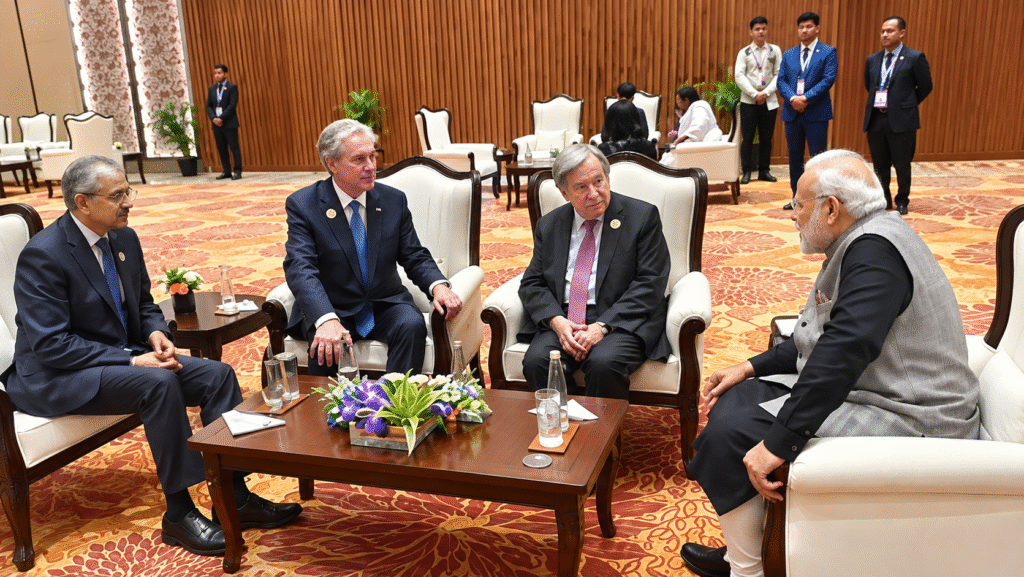
Xi landed in Delhi on Saturday afternoon after flying out from China that same morning. He went straight into the summit meetings that started around 2 pm. Later he had a proper bilateral talk with Modi on the side. By the evening, when Modi put up the big formal dinner at Bharat Mandapam for all the BRICS leaders and other guests, Xi wasn’t there. Most of the other leaders showed up. Putin was there. Indian ministers like Amit Shah, Nirmala Sitharaman, Piyush Goyal, Ashwini Vaishnaw and Shivraj Singh Chouhan were present. Om Birla came too, and a few chief ministers – Yogi Adityanath, Devendra Fadnavis, Himanta Biswa Sarma and others. Neither side put out any official statement about why Xi skipped it. People who know the details told PTI and the usual channels that he just went back to his hotel to rest. The word was he was tired. Long flight, time difference, full day of meetings and then the talk with Modi – it all added up. Something small but noticeable happened earlier during the day. While Modi was giving his opening speech, he suddenly stopped, looked at Xi and asked if he was okay. You could see Xi looking a bit off for a second. There was a quick exchange with the translator, Xi nodded, and Modi continued. Once people heard Xi missed the dinner, that moment started getting talked about more. Still, the people close to the schedule kept saying the dinner absence was simply about rest, nothing more. The Abu Dhabi Crown Prince also missed the dinner, but that was expected – he left for home right after the daytime sessions. Xi’s absence was the one that stood out. The dinner itself was all vegetarian, lots of Indian dishes. Things like khandvi, mushroom kebabs, paneer lababdar, morel mushrooms, millet pulao, and then desserts with jalebi and phirni. Some folks online immediately said maybe Xi didn’t like the veg menu. People who actually knew the arrangements said that’s not it at all. It was just fatigue after the travel and the long day. China still had their foreign minister Wang Yi representing them at the dinner. Earlier that day, when Modi and Xi met, they talked about the usual India-China issues. Both sides said differences shouldn’t turn into disputes and that they need to look at the relationship with a longer view. Border, trade, economic ties – all of that came up. This was Xi’s first visit to India in seven years. Last time was the informal summit in Mamallapuram back in 2019. Xi didn’t stay long overall. He finished the summit work and left after the two days were done. Missing the dinner didn’t stop the official talks or the joint declaration from going through. In the end, the simplest explanation is the one that keeps coming from people who were actually in the know. Long flight, packed schedule, and he chose to rest instead of sitting through the evening function. These things happen. Leaders fly in, go from one meeting to the next, and sometimes they just need to step back so they can manage the next day. That’s pretty much what took place on the opening day of the BRICS Summit in Delhi. Sources:Times of India, Indian Express, Deccan Herald, NDTV, News18, Hindustan Times, LiveMint, Firstpost, India Today (reports citing PTI and sources familiar with the matter, published 13 September 2026). @Rohit Manral
BRICS Summit 2026 LIVE updates: India focused on four pillars — resilience, innovation, cooperation, sustainability, says PM Modi
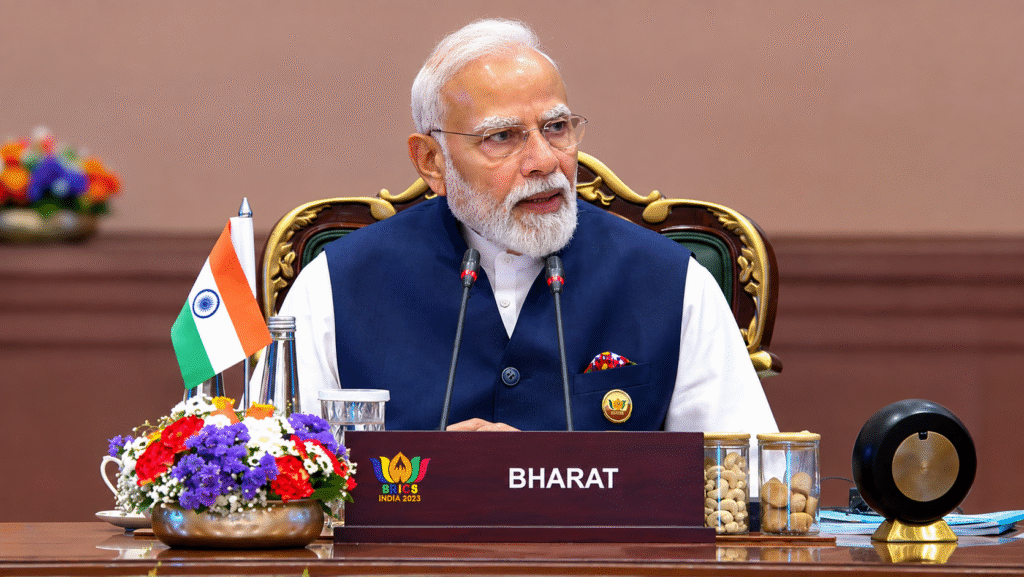
New Delhi, September 13BRICS Summit at Bharat Mandapam is underway, and Prime Minister Narendra Modi just spoke quite plainly this morning. He told the leaders that under India’s chairmanship this year the focus stayed on four simple things: resilience, innovation, cooperation and sustainability. And he said they managed to turn the common ideas into something that actually works for everyone — a real win-win. The open session was titled “Resilience, Innovation, Cooperation and Sustainability: Shaping the Future for Inclusive Global Growth.” Modi didn’t dress it up much. He said tensions around the world keep rising and ordinary people feel it first. Pandemics, climate disasters, broken supply chains — none of these stay in one place anymore. That’s why India pushed hard on making the group more resilient. He announced that the members agreed on a BRICS Integrated Early Warning System for infectious diseases. They also finalised guidelines so countries can share early-warning data better during disasters. On the logistics side, there’s a new framework to keep supply chains running even when things go wrong. Spot the problem early, stay ready, act fast — that was the message. On innovation he talked about the BRICS Incubator Network that will connect startups and incubators across the member countries. India has also proposed a Startup Innovation Fund to support ideas that can grow. And there’s a new network on digital agriculture. The plan is to bring AI, satellite data and digital tools closer to farmers so the technology actually helps them on the ground instead of staying in reports. Cooperation was a big part of what he said. The outreach to partner countries and the wider Global South has helped build trust. People who used to sit at the back are now being heard. He repeated what he said yesterday — BRICS is not against anyone. The group moves by consensus and tries to take everyone along. That felt important with Xi Jinping, Vladimir Putin, the Iranian president and the other leaders sitting right there. Sustainability got equal space. Modi reminded everyone that in India nature is treated like a mother, and development and the environment don’t have to fight each other. He mentioned the new Digital Centre of Excellence for Smart Grids and Energy Storage as one practical step toward cleaner and more reliable power. Yesterday the group already adopted the New Delhi Declaration — a long document that covers security issues, trade, finance and people-to-people ties. It condemns terrorism (including the Pahalgam attack), speaks against one-sided tariffs and carbon border measures that hurt developing countries, and calls for more say for nations like India and Brazil in global institutions. Local currency trade and better development finance are also in there. The first day had closed talks, a walk through the innovation exhibition, a tree-planting and a dinner hosted by Modi. Bilateral meetings are still happening on the side. What feels different this time is how practical everything is kept. Early-warning systems, startup networks, digital tools for farmers, supply-chain plans — things people can actually use. India’s chair year started in January and apparently involved hundreds of meetings across the country to prepare all this. Modi ended on a quiet note. Countries may come from different places, he said, but together they can rise through cooperation and do something useful for people. Diversity should stay their identity, cooperation their strength, and the progress should help everyone. The New Delhi Declaration is the official result now. Whether these frameworks move from paper into real life will decide how much of the “win-win” talk actually reaches people. For today, the clear line from Bharat Mandapam is that the four pillars were not just slogans. They were the checklist India tried to work through during its year in the chair. Sources: IANS, 13 September 2026Ministry of External Affairs, Government of IndiaIndia TV News, 13 September 2026Mathrubhumi English, 13 September 2026Times Now, 12-13 September 2026Economic Times, 12 September 2026Oneindia, 13 September 2026 @Rohit Manral