Dharmendra Pradhan Steps Down as Education Minister After Weeks of Student Protests at Jantar Mantar; Centre Moves to Clear the Site
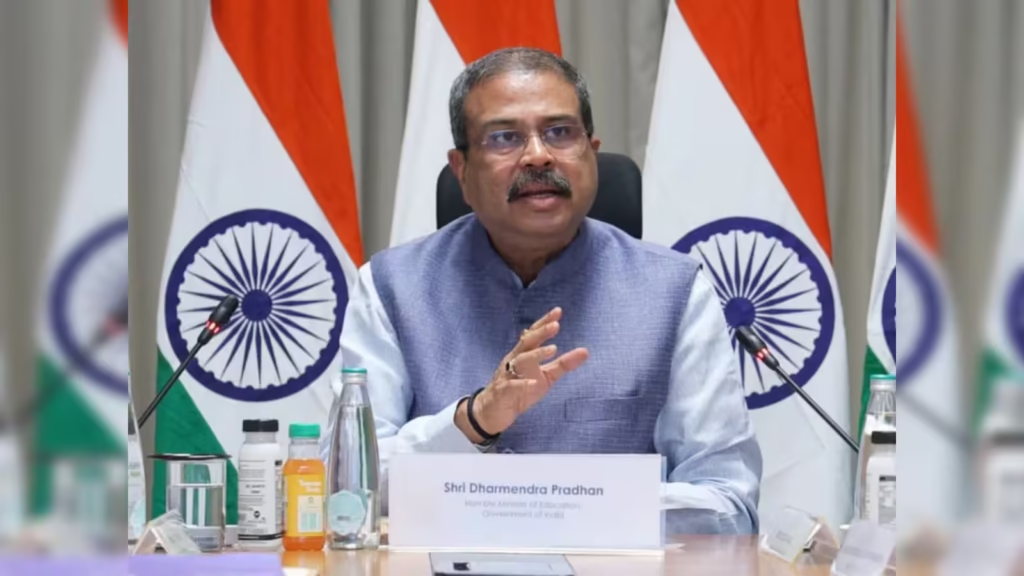
On Saturday in Delhi. After more than a month of students camping out at Jantar Mantar under the banner of the Cockroach Janta Party, or CJP as everyone has started calling them, Union Education Minister Dharmendra Pradhan announced his resignation. And almost right after that, the government began taking steps to clear the protest site that had become the centre of the whole storm. It all started with the NEET-UG paper leaks and the long list of anomalies that followed. The CJP, led by Abhijeet Dipke, turned that furious into a continual sit-in at Jantar Mantar starting around mid-June. What began with a few dozen people grew into thousands. They stayed through the heat, through police action, through rounds of talks with the Centre. Their main demand was simple and stubborn: Pradhan must go. By Friday, after a second meeting at the Constitution Club, the government asked for one more day. The students said they would wait till Saturday afternoon. Then, earlier than anticipate, Pradhan posted on X. He said he was taking moral responsibility. He wrote that he did not want the protests to be used by what he called anti-national forces, and that students should be able to get back to their studies without getting stuck in legal cases or endless perturbation. The President accepted the resignation the same day on the counsel of the Prime Minister. Within hours, Union Minister Pralhad Joshi was given additional charge of the Education Ministry. Dipke told the crowd it was their first big breakthrough, though he made it clear the movement was not over. Later in the day, the CJP said they were calling off the protest “in good faith.” They had secured a few other things too — talk of compensation for families of students who died by suicide, and a promise that FIRs against protesters would be looked at. Activist Sonam Wangchuk, who had been on a hunger strike in support, also ended it. Now the Centre is moving to clear Jantar Mantar. Police presence increased after the resignation announcement. There had already been tear gas earlier in the day when things got tense before the news broke. Officials want the site back to normal as quickly as possible. For the students who spent weeks living there, it feels like a rare moment when the government actually blinked. For the government, it is a way to close a chapter that was becoming politically costly and starting to spread beyond Delhi. Walking around Jantar Mantar in the days leading up to this, you could feel how personal it had become. Kids from Bihar, Uttar Pradesh, Rajasthan, Maharashtra — many of them first-generation students aiming for medical seats — talked about the money their parents had spent on coaching, the pressure, the feeling that one leaked paper could destroy years of work. The “cockroach” name itself started as an insult and was turned into a badge. The government, for its part, had been trying to manage the situation carefully. Talks happened, some concessions were offered, but the resignation demand stayed non-negotiable for the students. Giving Pradhan the exit and handing the portfolio to Joshi looks like an attempt to reset the conversation. Joshi is a senior leader with experience in organisation work. Whether that translates into faster reforms in the testing system is something everyone will be watching. In the end, what happened on 25 July feels like one of those moments when street pressure actually forced a ministerial change in a system that usually moves very slowly. The students are packing up, the tents will come down, and Jantar Mantar will go back to being the usual protest ground for other issues. But the questions they raised about fairness in education will not disappear with them. Sources: The Hindu, BBC News, Al Jazeera, NDTV, Hindustan Times, Indian Express, NPR, reports from July 25, 2026. @Rohit Manral
Sonam Wangchuk Explains Why He finished His 26-Day Fast Without Dharmendra Pradhan’s Resignation
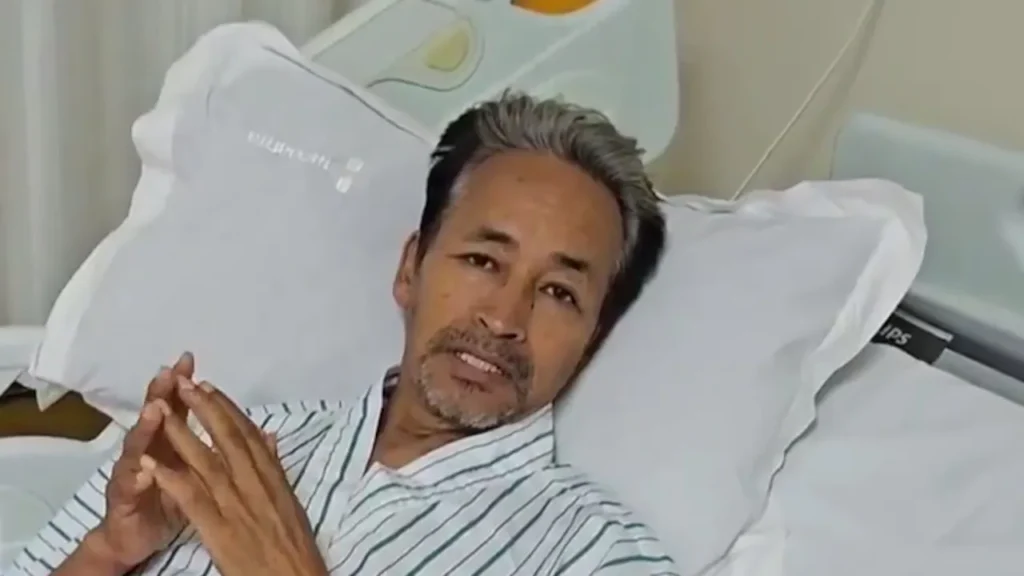
Climate activist and educationist Sonam Wangchuk has finally broken his 26-day hunger strike. He did it late on Thursday night, July 23, 2026, while lying in a hospital bed at Medanta in Gurugram. Union Ministers JP Nadda and Jitendra Singh were contemporary, along with leaders from the Leh Apex Body. For weeks the country had watched him grow weaker. Doctors had warned about his kidneys. Supporters kept saying his life mattered more than any single demand. Yet the one thing many people kept asking about never came through—the resignation of Education Minister Dharmendra Pradhan. Wangchuk did not hide that fact. In a video he released the next day, he spoke plainly. He said the leaders “were unable to give me any assurance as to when this would happen.” He looked tired, his voice soft, but the reasoning was clear and calm. “My mind works differently,” he told viewers. “If he doesn’t resign, it won’t harm the children or us; it will harm the government itself. He should have resigned. Resignation would have stopped all this damage long ago. This wasn’t the most important thing for me; it would be resolved on its own.” What mattered more to him, he explained, was protecting the students who had been protesting. He had watched young people in Ladakh spend years tangled in FIRs that destroyed their futures. He did not want the same thing to happen to the boys and girls sitting at Jantar Mantar or those who had joined the Sansad Chalo march on July 20. The government gave him written assurances on three points. First, no legal action or FIRs against students and youth who protested peacefully at Jantar Mantar or took part in the July 20 march. Second, appropriate compensation for the families of the more than twenty students who died by suicide linked to the paper-leak crisis. Third, a thorough discussion and debate in Parliament on accountability in the examination system so that such failures do not keep repeating. Wangchuk said these three assurances were enough for him to end the fast. He had joined the Cockroach Janta Party (CJP) protest at Jantar Mantar on June 28 and begun the indefinite hunger strike in support of the students’ demands for reforms, accountability over repeated competitive-exam leaks, and Pradhan’s resignation. By the time police shifted him to hospital around July 18, his body was already failing. Still he continued. Around 65 Members of Parliament from different parties had either visited him or written letters urging him to stop. Thousands of ordinary people kept messaging the same thing: stay alive, the struggle needs you living. He also mentioned the risk of violence. In his first statement after breaking the fast he wrote that the decision came “after long negotiations on various conditions and in view of possible violence in the country.” He asked everyone to remain vigilant and peaceful. “Peace and only peace is my way,” he had posted earlier. Even while the protest at Jantar Mantar stayed disciplined, he was worried about reports of anti-social elements trying to stir trouble elsewhere. The CJP’s original list of demands had been longer. It included Pradhan’s resignation, one-crore compensation for each suicide victim’s family, withdrawal of all unnecessary FIRs, and prosecution of police officers accused of excesses. Wangchuk made it clear that the resignation demand had not been dropped by the movement; he simply decided it was no longer the hill he needed to die on. “I also don’t believe that we haven’t achieved this,” he said. In his view the political cost of not resigning would fall on the government itself. The protest at Jantar Mantar did not end with his fast. Students and CJP volunteers continued the sit-in, still calling for deeper reforms and accountability. Wangchuk’s wife, Gitanjali Angmo, had spoken earlier about the quiet discipline of the young people—sharing food, cleaning the site, looking after strangers, singing the national anthem under pressure. She called them role models. Wangchuk’s own message after ending the fast stayed consistent with that spirit: keep the movement peaceful, keep the focus on the students, and do not let anyone’s future be ruined by cases filed in anger. For many who followed the story, the determination felt both practical and principled. A man who had already lost more than ten kilograms, whose kidneys were under strain, chose to live so he could keep brawling. He accepted three tangible written promises and left the resignation question open, trusting that public pressure and parliamentary debate would keep working on it. Whether that trust proves right will be tested in the weeks and months ahead, when Parliament actually debates the failures in the examination system and when the promised compensation and withdrawal of cases are delivered. Wangchuk’s words remain the clearest guide to why the fast ended the way it did. He put the safety of the students and the continuation of a peaceful struggle above the single dramatic demand that had drawn the most headlines. In his own phrasing, his mind simply works differently. The government may still face the political cost of not acting on the resignation. The students, at least for now, have written protection and a place on the floor of Parliament. That, he decided, was enough to pick up a glass of juice after twenty-six days and keep going. Sources: LiveMint, “Sonam Wangchuk on govt’s three assurances…” (July 24, 2026)The Hindu, “Sonam Wangchuk has broken his fast…” (July 24, 2026)Al Jazeera / Daily Sun reports on the end of the hunger strike (July 24, 2026)Wangchuk’s own video statement and X posts (July 23–24, 2026)NDTV and other contemporary coverage of the Medanta hospital breaking of the fast @Rohit Manral