Gen Z are our own, protesting doesn’t make them anti-national: Mohan Bhagwat
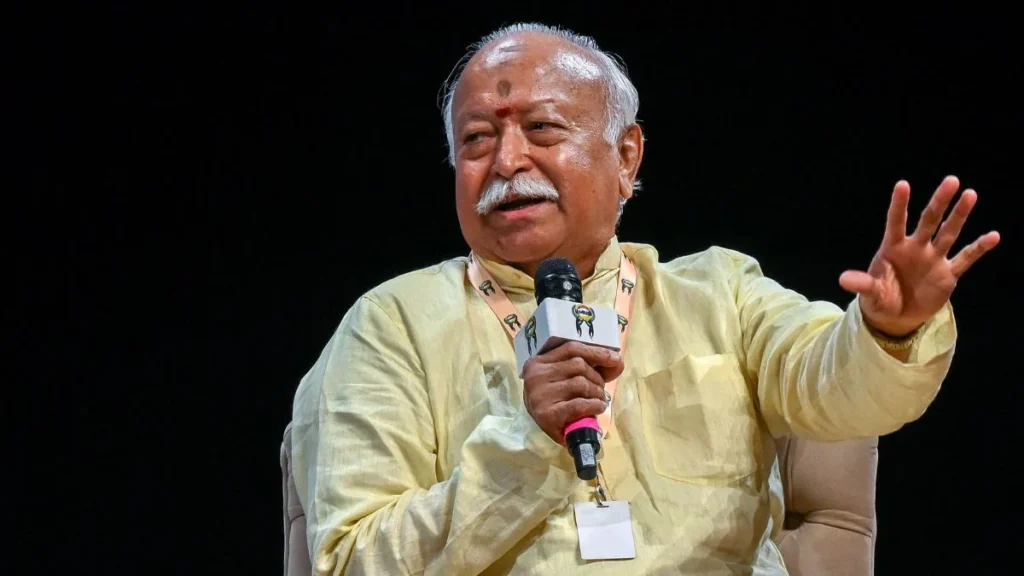
Mumbai, August 6, 2026 — In a candid interaction with young students on Thursday, RSS chief Mohan Bhagwat firmly rejected the idea that India’s Gen Z becomes anti-national simply by raising its voice. Speaking at the 15th anniversary celebrations of India’s International Movement to Unite Nations (IIMUN) at the Nita Mukesh Ambani Cultural Centre, he told a gathering of around 2,000 Gen Z and Gen Alpha participants that the younger generation belongs to the country and that agitation does not erase that belonging. Want to make it clear that if Gen Z engages in any agitation, they are not anti-national. They are our own people; they are our next generation,” Bhagwat said. He stressed that a sense of belonging and mutual respect must form the foundation of any conversation between generations. Only then, he argued, can real dialogue happen — one in which elders understand the concerns of the young and the young, in turn, understand the perspective of those who came before them. The remarks came against the backdrop of recent student-led protests, particularly over alleged irregularities and paper leaks in examinations such as NEET. Those demonstrations had grown intense in the national capital and elsewhere, with reports of police action including the use of tear gas and, in some accounts, pellet guns. Bhagwat was careful not to pronounce judgment on the specific incidents. He said he did not have complete, verified information about what had transpired between the police and the protesters, and therefore preferred not to draw conclusions. At the same time, he made his personal stance clear: “I will trust Gen Z blindly.” He described the grievances being voiced by young people — especially those related to the education system — as genuine. “There is a lot that needs to be done in Indian education; since it’s not happening, it’s being talked about,” he observed. Protest, in his view, is itself a form of dialogue in a democracy. When concerns are not heard through quieter channels, people may turn to agitation. The purpose of that agitation, however, should be to build consensus and correct systems, not to deepen divisions or target individuals. Bhagwat repeatedly returned to the character of the new generation. He said Gen Z and Gen Alpha are more honest than the existing generation. Appeals to patriotism and a spirit of service, he believed, find a genuine response in them. Unlike earlier generations that often accepted the word of elders without question, today’s young people ask for logical answers and also for affection and respect. “When we were at the age of Gen Z, we would listen to our elders. We never used to question. Now Gen Z wants logical answers,” he noted. He was clear that he would never tell young people they should not protest. Democracy, he said, provides ways of going about it. The methods laid out in the Constitution and the ideas of B.R. Ambedkar remain the framework. If youth are shouting, he suggested, it is usually not for the sake of opposition but for improvement. The task before society is to recognise that relationship of belonging and respond with dialogue rather than labels. The interaction itself was freewheeling. Students raised questions on education, jobs, reservation, social media, and even broader issues of national life. Bhagwat engaged with the questions directly, at one point picking up a contemporary expression from the audience and trying it out to laughter and applause. The tone of the evening was not one of lecture but of conversation — an older leader speaking to the generation that will inherit the country’s future. Bhagwat’s comments carry weight because of the organisation he leads and the moment in which they were delivered. In recent weeks, sections of public discourse had begun to question the motives of student protesters, sometimes casting them in an unfavourable light. By stating so plainly that these young people are “our own” and that protest does not make them anti-national, the RSS chief sought to shift the conversation toward understanding and engagement. He also touched on the practical need for better communication. Dialogue should always be the first step, he said. When something goes wrong that should not have happened, there is usually a deficiency somewhere that needs fixing. Whose responsibility it is may be debated later; the more important point is that the deficiency must be addressed. As the interaction drew to a close, the emphasis remained on relationship rather than confrontation. The younger generation asks questions and seeks logical answers. The older generation, Bhagwat suggested, must answer with both reason and warmth. Only then can the dialogue that democracy requires truly take place. Sources: India Today, The Indian Express, The Times of India, LiveMint, The Statesman, Firstpost, Times Now, NDTV, Deccan Herald, Outlook India, The Hindu, PTI, ANI (reports dated August 6, 2026). @Rohit Manral
‘No legal action, FIRs being withdrawn’: Bihar govt assures protesters in big win for students, CJP
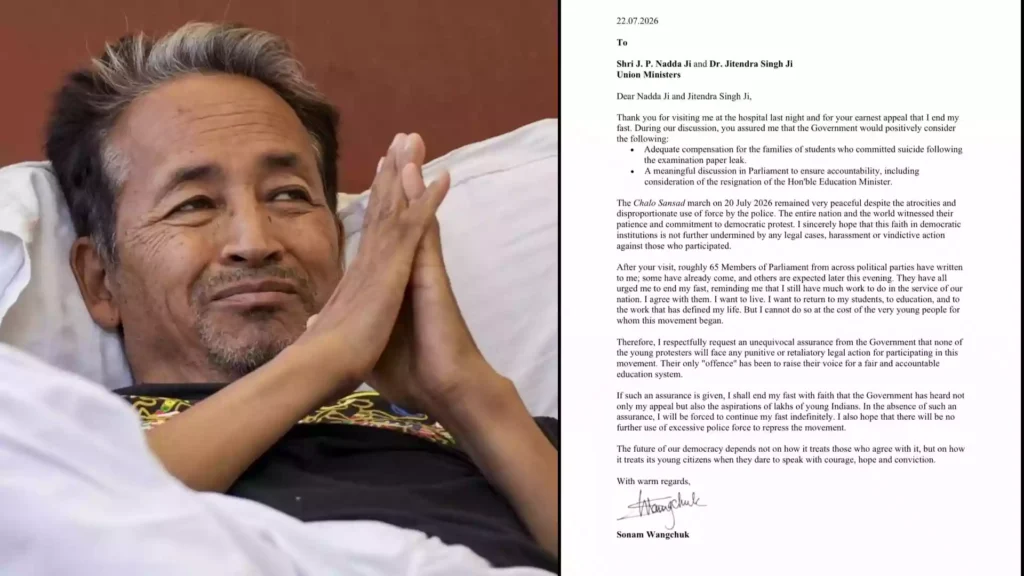
Look, sometimes the system actually listens. Not always, and not perfectly, but every now and then something shifts, and you feel it in the air. That’s what’s happening in Bihar right now. On Monday evening, the Bihar government put it in writing. The Home Department issued a notification saying it is withdrawing all FIRs, complaints and show-cause notices linked to the protests over the NEET paper leak — specifically for incidents that took place before 6 am on 26 July. People who were arrested in connection with those events will be released “forthwith.” No more legal action on those cases. Just like that. For the students who spent weeks on the streets, for the families who spent sleepless nights wondering if their kids would have a police record hanging over them for years, this is huge. It’s the kind of relief that doesn’t come with fireworks or victory marches. It comes quietly, in the form of a government order that finally matches what was promised. You remember how this started. The NEET paper leak allegations exploded across the country. Students who had prepared for years felt cheated. Trust in the examination system took a beating. Protests grew, first in pockets, then into a nationwide movement. The Cockroach Janta Party, or CJP, became the loudest voice. They sat at Jantar Mantar, they organised, they kept the pressure on. The agitation went on for more than a month. It got messy in places — stone-pelting, police action, injuries, even firing in Siwan. But the core demand was simple: fix the system, hold people accountable, and stop treating students like criminals for raising their voices. Then came the talks in Delhi. Union ministers JP Nadda and Jitendra Singh sat down with CJP representatives. The government accepted the demand for Dharmendra Pradhan’s resignation as Education Minister. That happened. They also gave verbal assurances that no punitive action would be taken against peaceful protesters, that existing FIRs would be withdrawn, and that no fresh cases would be filed for the agitation. CJP, in good faith, suspended the nationwide protest. But the ground reality in the states lagged behind. Reports started coming in of students still being detained or facing cases in Assam, West Bengal and Bihar. CJP leaders got angry. They called it a breach of trust. They said they had withdrawn the agitation only because of the clear assurance that no one would face coercive action. They warned that if the promises weren’t kept — if detainees weren’t released and FIRs weren’t pulled back — they would be forced to hit the streets again. Kapil Sibal even stepped in with legal support and a fund. The tension was real. In Bihar, opposition voices, including Tejashwi Yadav, added pressure. He gave the state government a 24-hour ultimatum: withdraw the cases, release the students, or face a bigger movement. Student organisations like AISA kept the heat on. The situation looked like it could spiral again. And then Bihar moved. The notification came. Cases linked to the protests before that specific cut-off time are being withdrawn. Those in jail will walk free. It’s not a complete clean slate for every single incident that happened after, and the Centre still has to fully deliver on the written guarantee CJP is waiting for by Tuesday. But for Bihar, this is a clear step. Officials have said no legal action will follow on these matters. That assurance matters. Think about what this means for the students. Many of them are first-generation learners, kids from small towns and villages who poured everything into clearing NEET. A police case against your name doesn’t just disappear from records. It follows you into jobs, into higher education, into the way people look at you. Having those FIRs withdrawn is not a small technicality. It’s dignity restored. It’s the state saying, “We hear you, and we’re not going to punish you for speaking up.” CJP has called this a big win, and it is. The organisation may have started as an online movement with a quirky name, but it forced a national conversation on exam integrity and the treatment of student protesters. The fact that a state government is now formally rolling back cases is validation of that pressure. At the same time, CJP leaders are still watching the other states closely. They have made it clear that the Centre’s written commitment is still pending, and any fresh harassment will bring them back to the streets. This doesn’t magically fix the deeper problems. Paper leaks, coaching mafia influence, the immense pressure on young people — those issues remain. The government has talked about considering CJP’s five-point charter on examination reforms and providing compensation to families of students who died by suicide linked to the crisis. Those conversations need to continue. Real change will take more than withdrawn FIRs. But for now, in Bihar, the immediate threat of legal harassment has been lifted for hundreds of young people. Parents can breathe a little easier. Students who were sitting in lock-ups or living under the shadow of cases can step back into their lives. That is not nothing. Politics will keep spinning. Opposition parties will claim credit, the ruling side will say they acted with maturity, and social media will argue over who “won.” The students themselves just wanted a fair system and the freedom to protest without permanent punishment. On that last point, Bihar has finally delivered the words they needed to hear: no legal action, FIRs being withdrawn. Sometimes the system does listen. Not always gracefully, not always completely, but it listens. And when it does, the kids who stood in the sun and the rain for weeks get to go home without a case hanging over their heads. That feels like a win worth noting. Sources: @Rohit Manral
Sonam Wangchuk Finally Breaks His 26-Day Fast – And Honestly, It Felt Like a Collective Sigh of Relief
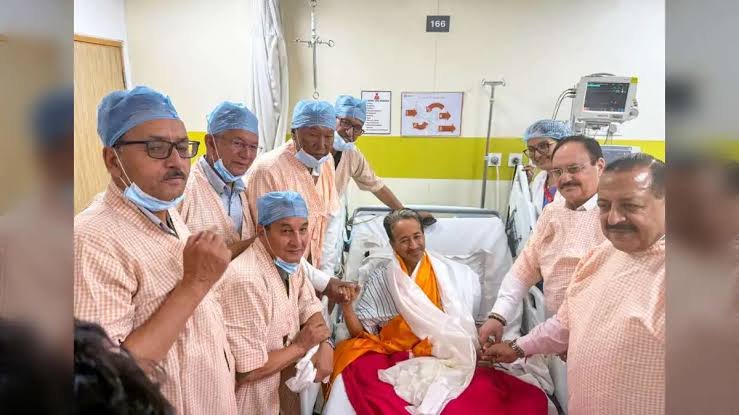
On July 23, this quiet but fierce guy from Ladakh ended his 26-day hunger strike at Medanta Hospital in Gurugram. And right there in the room with him were Union Ministers JP Nadda and Dr. Jitendra Singh. No big drama, just him sipping something nourishing, looking tired but at peace, with his wife Gitanjali by his side. It wasn’t some grand ceremony – it felt real, like a hard-earned pause in a long fight. Sonam sir – that’s what so many call him – isn’t your typical activist who shouts for the cameras. He’s the engineer who taught villagers in Ladakh how to build ice stupas to store water in that freezing desert. He’s been arrested, fasted before, walked hundreds of kilometers, all for his people’s rights, for the environment, for the fragile Himalayas. This time, he threw his weight behind the young students and the Cockroach Janta Party folks protesting the mess in our education system. You know, those horrible NEET paper leaks and all the other exam disasters that crushed dreams of lakhs of kids. It started back in late June. Wangchuk joined the protests at Jantar Mantar in Delhi. The Cockroach Janta Party – yeah, that name came from a court remark that young people flipped into a movement – had been pushing hard for accountability. They wanted the Education Minister to take responsibility, fixes so this doesn’t keep happening, and justice for the students whose lives got derailed. Sonam didn’t have to do this. He’s 59, has his own battles in Ladakh – statehood, Sixth Schedule protections, stopping reckless development that threatens their culture and ecology. But he stood with the youth anyway. Said he’d go six weeks or even to the end if needed. Man lost over 11 kilos. His voice stayed calm in videos, but you could see the toll. Things got intense. Around day 21, police moved him to hospital. His team called it forceful; authorities said it was for his health. Supporters were worried sick. People across India, even Indians abroad in places like London, held solidarity protests. Social media was full of messages – prayers, anger, hope. Doctors monitored him closely at Medanta. And then came the talks. When he broke the fast, Wangchuk looked grateful. He thanked everyone who stood by – especially the 65 MPs who raised their voices. The government apparently assured no cases against peaceful protesters, parliamentary discussions on exam reforms, and help for affected families. He urged his followers to stay non-violent: “Only flowers, not stones.” Classic Sonam – firm but peaceful. He promised he’d share more details soon in a video. Far from it. Many in the Cockroach group are happy he’s okay but they’re continuing their sit-in till they see real change, like the minister stepping down or solid laws against leaks. Opposition parties have their take – some call it partial win, others say it’s just management. But for ordinary folks like us, seeing a man like Wangchuk survive this and get some assurances feels hopeful. Our kids study so hard, parents sacrifice everything for coaching classes, and then scams hit like this? It’s heartbreaking. Sonam Wangchuk is how he connects the dots. Education scams aren’t separate from Ladakh’s fight. It’s all about listening to people on the ground, protecting futures, and not letting big systems crush the small guy. He’s done ice stupas, solar schools, climate advocacy – always teaching, always building. In interviews over the years, he comes across as this thoughtful teacher who believes in action over empty talk. His wife and close ones must have been through hell. Fasting that long isn’t a joke – weakness, health scares, constant monitoring. Yet he stayed committed. When PM Modi also appealed for his recovery, it added another layer. Shows how much attention this drew. As he recovers now, slowly eating again, gaining strength, the spotlight shifts. Will Parliament actually debate meaningful reforms? Will Ladakh get the attention it deserves? Will students see changes before the next exam cycle? Questions remain, but the fast ending in front of senior ministers feels like a door cracked open. Moments like this remind me why persistence matters. Not everyone can fast for 26 days. Most of us just scroll, like, share. But Wangchuk reminded us that real change often needs sacrifice. He called himself an “honorary cockroach” earlier – standing with the youth. That humility? Respect. To every student stressing about exams, every parent worried, every Ladakhi fighting for their hills – this one’s for you. Get well soon, Sonam sir. The fight continues, but today, we celebrate that you’re still with us, still pushing. Sources: @Rohit Manral