Trump Says India Trade Deal Pretty Close While Rubio’s in Mumbai – Calls It a Much Different Kind of Deal
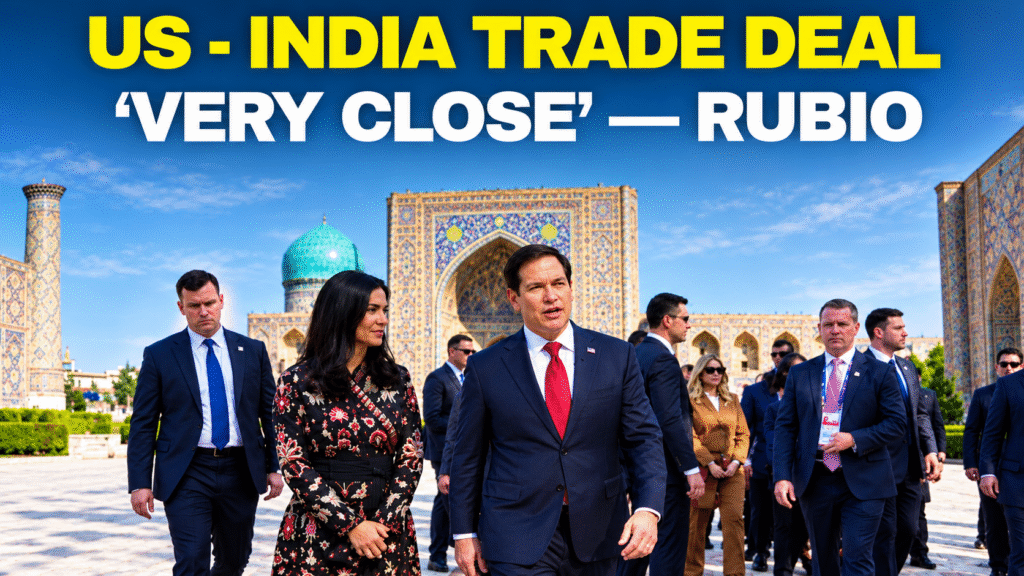
President Trump spoke to reporters at the White House on Tuesday and basically said the deal is pretty close. His exact words were something like, “They want to make a deal. We’re going to make a deal. Pretty close, yeah.” Then he threw in that it “could be a much different kind of deal” than the ones America has done before. He didn’t explain what that means, of course. Just left it hanging there the way he often does. This is happening while Secretary of State Marco Rubio is over in India. He landed in Mumbai and sat down with External Affairs Minister S. Jaishankar on Tuesday. They talked trade, energy, technology, defence – the usual mix. After the meeting the Indian side put out a short statement saying both countries welcomed the progress on the bilateral trade agreement and still want to wrap it up soon. Rubio has been pretty upbeat himself. He’s been telling people they’re “very, very close” – about as close as you can get without actually signing the thing. In one interview he said 99 percent of the work is done and what’s left is mostly technical language. “We’re weeks, not months, away,” was how he put it. He made a point of saying the State Department doesn’t negotiate these trade deals – that’s the trade representative’s job – but he’s been watching it closely because of the national security angle. He’s also been pushing India to buy more American energy and tech. There’s this big target floating around of $500 billion in bilateral trade in the next few years, and energy is a big chunk of that. Rubio is even heading to the Reliance refinery in Jamnagar, which tells you how much the energy side matters right now. It’s been a bumpy road to get here. Tariffs have been a constant headache, and India’s purchases of Russian oil nearly brought heavy penalties. Trump waived some of those threatened tariffs recently, which seems to have helped the mood. Rubio said those decisions weren’t meant to punish India and that the relationship has to be managed carefully. The talks themselves have dragged on for more than a year and a half. There was a framework earlier, but the final bits kept getting stuck – farm products, market access, the energy questions. Indian officials have said at times the negotiations hit a plateau where neither side wanted to give much more. Still, both sides keep saying the overall direction is good. If this actually gets finished it could mean lower tariffs both ways and a bit more certainty for businesses. Indian exporters have been hoping for better terms than some of their competitors. On the American side there’s clear interest in selling more energy, defence gear and technology. Trump’s line about a “different kind of deal” has people wondering if it will go beyond the usual tariff cuts. Nothing’s signed yet, though. Rubio was careful to say you don’t announce these things until every last detail is locked down, because the relationship is too important to risk a public mess-up. But with Trump saying it’s pretty close and Rubio talking in terms of weeks, the tone from both sides feels more hopeful than it has in a while. Whether those last technical points get sorted quickly will decide if this optimism turns into an actual agreement that the leaders can put their names on. For now the message is simple: they’re close, they want it done, and it might look a bit different from the usual trade pacts. Sources: Trump’s remarks as reported by Bloomberg; Rubio’s comments in Mumbai and interviews with The Indian Express and Network18; Ministry of External Affairs statement after the Jaishankar-Rubio meeting; reporting from Hindustan Times, Indian Express, LiveMint, Business Today and India Today. @Rohit Manral
Trump Hits Pause on Tough Russia Sanctions, Sparing India from 100% Tariff Threat
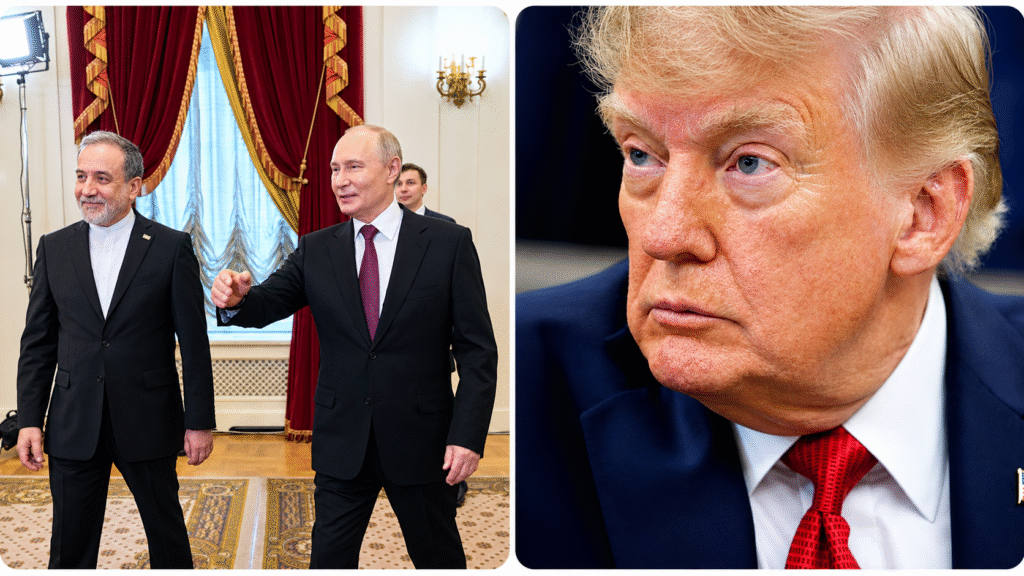
Here’s the latest from Washington that has a lot of folks in India breathing easier this weekend. On Friday night, President Donald Trump signed an executive order that basically puts the brakes on a bunch of new sanctions and tariffs tied to Russian oil and gas. The measures were set to kick in under a law he’d signed just a month earlier, and they could have hit countries like India with tariffs as high as 100 percent on their goods heading to the US. Instead, he waived them, saying it was in America’s national interest. The law in question is the Lindsey O. Graham Sanctioning Russia and Iran Act of 2026. Named after the late South Carolina senator who was a big Russia hawk, it passed Congress with strong bipartisan support. Trump signed it into law around mid-September. The idea was to squeeze Moscow’s energy revenues that help fund the war in Ukraine. It targeted Russia’s oil and gas sales, its so-called shadow fleet of tankers, and also went after the biggest buyers of that oil. Under the rules, the five largest importers of Russian crude oil and natural gas could face an extra 100 percent duty on everything they sell to the United States if they kept buying new Russian supplies after October 18. Same deal for the top five countries helping Russia dodge existing sanctions. Goods coming straight from Russia itself could have been hit with a 500 percent tariff. The clock was ticking toward that Sunday deadline, and India was squarely in the crosshairs because it’s one of the biggest customers for discounted Russian crude. India imports more than 88 percent of the oil it needs, and Russian barrels have made up a huge chunk of that — around 45 percent in recent months, running at about 2 million barrels a day at times. That cheap oil has helped keep fuel prices in check at home and supported the refining business. A sudden 100 percent tariff on Indian exports to the US would have been a real gut punch for manufacturers, exporters, and the overall trade relationship. Trump’s executive order implements the law on paper but then immediately suspends the key tariff parts. He wrote that he was waiving the duties provided for in the relevant sections and certified to Congress that the pause serves US national interests. The waiver isn’t permanent; the administration can reinstate the measures later if it decides further action is needed. Officials have also been directed to keep monitoring Russian oil purchases and any sanctions-evasion activity. This move didn’t come out of nowhere. Just a week earlier, Trump had announced a deal with Russian President Vladimir Putin for Russia to supply diesel to help bring down global energy prices. The first shipments were supposed to be more than 300,000 tonnes, with more to follow. Trump has been talking more about easing pressure on energy markets and has been openly critical of Ukrainian leadership at times. The timing also lines up with Secretary of State Marco Rubio heading to India, so the decision removes one potential point of friction right before those talks. For India, this is welcome temporary relief. New Delhi has long argued that its energy security comes first and that it buys Russian oil on commercial terms because the discounts make sense for a country that needs reliable, affordable supplies. Indian officials had raised concerns about the Graham Act after it passed. Earlier this year, the two sides had already worked through some tariff issues — an extra 25 percent levy linked to Russian oil purchases was lifted in February as part of a broader trade framework that also brought the reciprocal tariff on Indian goods down to 18 percent. Talks on a bigger trade deal are still ongoing. The suspension means Indian exporters don’t face an immediate cliff of higher duties that would have made their products a lot more expensive in the American market. It also lets India keep its current oil import mix without the sudden threat of secondary sanctions hanging over every new cargo. Of course, the monitoring continues, and the legal framework stays in place, so the pressure hasn’t completely disappeared. China and a few other buyers are in a similar boat. Critics will say the waiver undercuts the original goal of starving Russia of energy revenue. Supporters will point to the need to keep global fuel prices stable, especially with other pressures in energy markets and domestic politics in the US heading into midterms. Either way, the practical result right now is that the 100 percent tariff hammer that was hanging over India has been set aside for the time being. Trump left himself room to change course. The order makes clear the waivers stay in effect until officials decide more action is appropriate. So the story isn’t finished — it’s more like a pause button has been hit. For Indian businesses watching their US sales and for policymakers managing energy supplies, that pause is useful breathing room. How long it lasts will depend on what happens next with Russian oil flows, diesel deals, and the broader conversation between Washington and New Delhi. Sources: @Rohit Manral
‘US won’t let India become next China’: Russian envoy claims ‘Freudian slip’ revealed Washington’s concerns
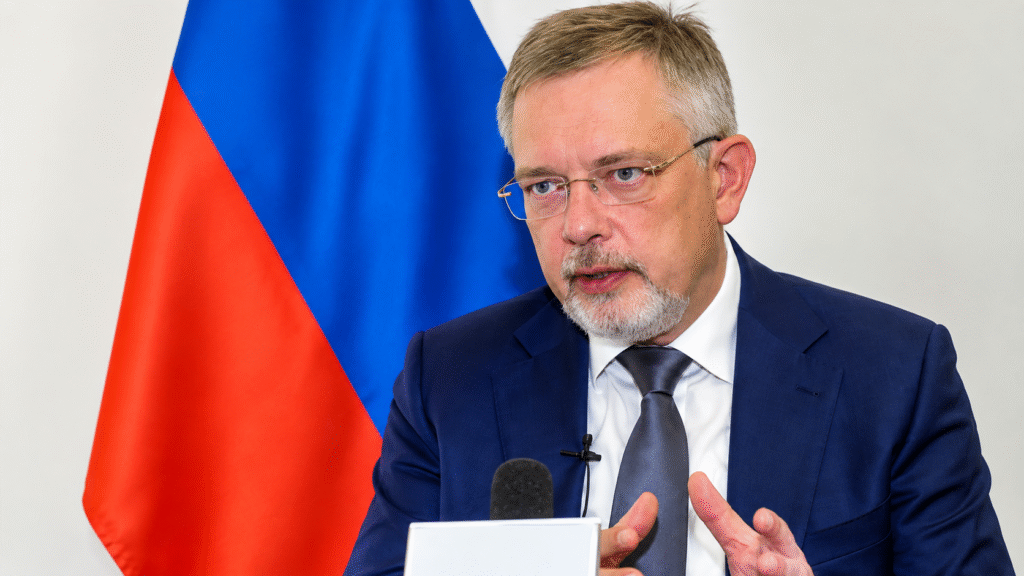
New Delhi: Russian Ambassador Denis Alipov on Sunday claimed that a senior American official had let slip Washington’s real thinking about India’s rise. Speaking at the NDTV Defence Summit, he pointed to remarks made earlier this year at the Raisina Dialogue and called them a “Freudian slip.” “I think this year at the Raisina Dialogue, one of the top US officials revealed and spoke publicly that the ‘US will never allow India to become the next China’ as a competitor. It was like a Freudian slip,” Alipov said. “So as India becomes stronger and stronger, and eventually a superpower — which is inevitable — the US would be doing everything possible to contain India.” The official he appeared to be referring to is US Deputy Secretary of State Christopher Landau. In March, Landau told the Raisina audience that America would not repeat the mistakes it made with China twenty years ago. Washington, he said, would not simply open its markets and watch another Asian power grow into a commercial rival that starts beating the United States in key sectors. The US wanted to work with India and unlock its potential, but not at the cost of American workers and interests. Alipov linked those comments to current American pressure on India over Russian oil. He singled out the Lindsey Graham Sanctioning Russia and Iran Act of 2026, signed by President Donald Trump. The law allows the United States to impose tariffs of up to 100 per cent on countries that continue buying Russian oil and gas. Alipov argued the measure is aimed as much at limiting India’s rise as it is at hurting Russia. “India is buying Russian oil not for the sake of Russia. India is buying Russian oil for the sake of its own economy and its own people. Because it is there at a competitive offer,” he told NDTV. He praised New Delhi’s stance as a show of strategic autonomy. “In response to this, I think India has shown strategic autonomy and strength. The US has articulated to pressure Russia with this act. It is by itself absurd. And the US, I would repeat that, very well knows that. And I think as India rises, this kind of pressure tactics will continue and will aggravate, will increase.” The ambassador also used the occasion to underline the depth of India-Russia ties. Diplomatic relations began in 1947 with the Soviet Union and continued after 1991. Next year marks 80 years. Alipov described the partnership as one built on trust and consistency rather than short-term convenience. “Trust and respect are the very qualities that characterise our relationship. You don’t do business with untrustworthy partners,” he said. “Throughout all these decades, we have been friends who have been reliable partners to each other — not only Russia to India, but both ways. We have never conditioned our relations on any immediate global disposition, so we have never regarded our relationship as a zero-sum game.” He pointed to the recent meeting between Prime Minister Narendra Modi and President Vladimir Putin on the sidelines of the BRICS summit in New Delhi on September 11 as proof that the relationship still has a full agenda. Alipov also presented BRICS as part of a wider effort by countries like India and Russia to secure a bigger voice in global decision-making. The remarks come at a time when India-US relations have grown more complicated. Tariffs, secondary sanctions linked to Russian energy, and a sharper transactional approach under the Trump administration have replaced the warmer strategic partnership of earlier years. American officials still speak of India as an important partner in the Indo-Pacific and a potential counterweight to China. Yet comments like Landau’s and laws like the Graham Act have fed a different reading in some capitals: that Washington is comfortable with India’s rise only up to a point. India, for its part, has continued to buy discounted Russian crude because it makes economic sense for a country that imports most of its energy. Officials in New Delhi have repeatedly said these purchases are driven by national interest, not geopolitical alignment. Strategic autonomy remains the core principle — engaging multiple partners without becoming dependent on any single one. Alipov’s intervention will not rewrite policy overnight. But it sharpens an uncomfortable question that has been circulating for months. Does the United States genuinely want India to become a major power, or does it prefer a version of India that remains useful without becoming fully competitive? The Russian ambassador clearly believes the answer slipped out in March, and he is not shy about saying so. Whether one accepts his reading or sees it as classic great-power messaging, the tension is real. India is growing, its economy is expanding, and its global weight is increasing. How Washington chooses to handle that reality — genuine partnership, managed competition, or something in between — will shape the relationship for years ahead. For now, the Russian envoy has made sure the conversation stays public and pointed. Sources: @Rohit Manral
100% tariffs on India? After Senate, US House passes Russia sanctions bill, awaits Trump’s signature
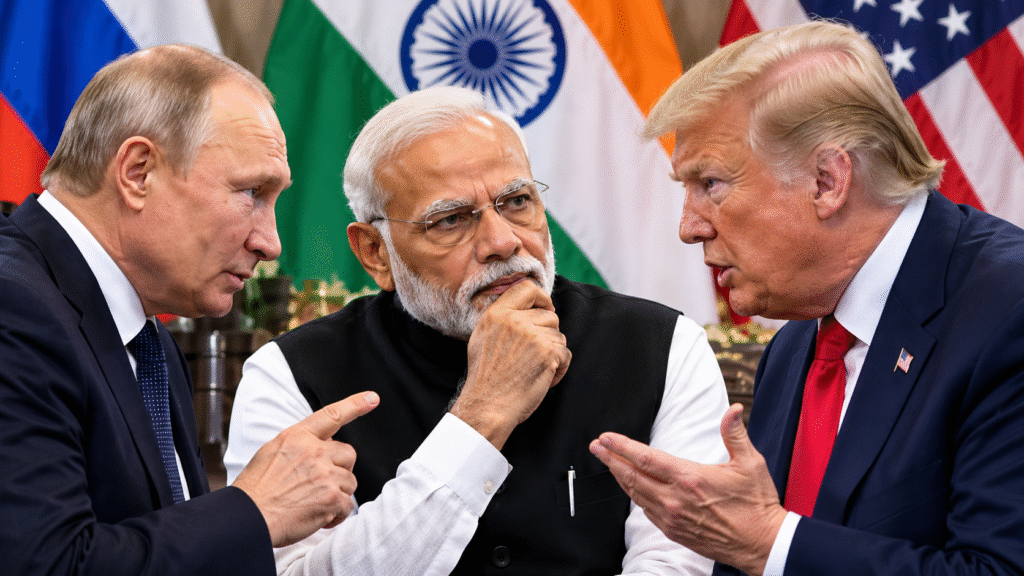
The US House of Representatives has just cleared a tough new sanctions package aimed at Russia, and the part that has people in New Delhi sitting up is the authority it gives President Donald Trump to hit major buyers of Russian oil and gas with tariffs of up to 100 percent. India is right in the middle of that conversation. On Wednesday the House voted 262 to 159 in favour of the Lindsey O. Graham Sanctioning Russia and Iran Act of 2026. The Senate had already passed it last month by a big 86-11 margin. The bill now sits on Trump’s desk. He has indicated he plans to sign it. The heart of the measure is an attempt to cut the money Russia earns from energy sales that help fund its war in Ukraine. It goes after Russian officials, oligarchs, banks and the so-called shadow fleet of tankers used to move oil around existing restrictions. It also extends sanctions on Iran’s energy and weapons sectors for another five years, something Trump wanted included. The provision that matters most for India is the one on secondary tariffs. The law would allow the president to place tariffs of up to 100 percent on goods from the five countries that imported the largest volumes of Russian crude oil or natural gas in the year before the law takes effect, if those countries keep buying after a short grace period. The same authority can be used against countries judged to be helping Russia dodge oil sanctions. China and India are the two biggest buyers of Russian crude, so both names come up repeatedly in the debate. Importantly, the bill does not automatically slap a 100 percent tariff on Indian exports the day it becomes law. It hands the president the power to do so under certain conditions. Trump would still decide whether, when and at what level to use that power. There are also some exemptions written in for countries whose Russian gas imports are relatively small and that are taking clear steps to reduce them. Democratic opposition in the House was strong. One hundred and fifty-two Democrats voted against the package, arguing that it hands Trump too much extra tariff authority at a time when he has already used trade powers aggressively. Fifty-eight Democrats still crossed the aisle and supported it, along with the large majority of Republicans. House Speaker Mike Johnson called the vote a show of American unity and said the bill gives the administration more tools to pressure Moscow. Senator Lindsey Graham of South Carolina had spent more than a year pushing versions of this legislation before his death in July. Lawmakers renamed the final package in his honour. Ukrainian President Volodymyr Zelenskyy had also urged Congress to move it forward. For India the timing is awkward. New Delhi has steadily increased its purchases of discounted Russian crude in recent years. Russian oil has made up a large share of India’s imports at various points this year. Indian officials have repeatedly said the decisions are driven by energy security and price, not politics. At the same time, India and the United States have been talking about a possible trade deal, so any new tariff threat lands in the middle of those discussions. Trade analysts note that a 100 percent tariff would be severe if ever applied across a wide range of Indian goods. It would raise costs for American buyers of Indian products and could disrupt supply chains. Whether Trump actually uses the authority remains an open question. He has often preferred to keep maximum flexibility on sanctions and tariffs rather than lock himself into congressional mandates. Still, the mere existence of the power changes the negotiating climate. Supporters of the bill say the goal is simple: make it more expensive for countries to keep buying Russian energy so that Moscow feels real economic pain. Critics worry the tool could be used more broadly and end up hurting US relationships with partners who are not adversaries. India falls into that complicated middle category—an important strategic partner that has refused to fully cut energy ties with Russia. The bill also requires the administration to reassess the list of top buyers every six months, which means the pressure would not necessarily be permanent. Countries that reduce their purchases could move off the list. That gives New Delhi some room to manoeuvre if it chooses to adjust its import mix over time. Right now the immediate next step is the White House. Once Trump signs the measure, the administration will have a new set of sanctions and tariff options. How aggressively those options are used against India, China or others will depend on the broader state of relations, the war in Ukraine, and the energy market itself. For the moment, Indian exporters and policymakers are watching closely. The legislation does not equal an automatic 100 percent tariff on Indian goods. But it does create a clear legal path for one, and that path now leads straight to the president’s desk. The coming weeks will show whether the threat stays on paper or turns into something more concrete. Sources:New York Times reporting on House passage and bill provisions; Reuters and Times of India coverage of the vote and India-specific impact; NBC News, CBS News and Politico accounts of the bipartisan vote and Democratic objections; India Today and Business Today analysis of the tariff authority; official descriptions of the Lindsey O. Graham Sanctioning Russia and Iran Act of 2026. @Rohit Manral