India Played It Safe with Trump, Skipped the Joint Presser over His Unpredictable Style: Sources
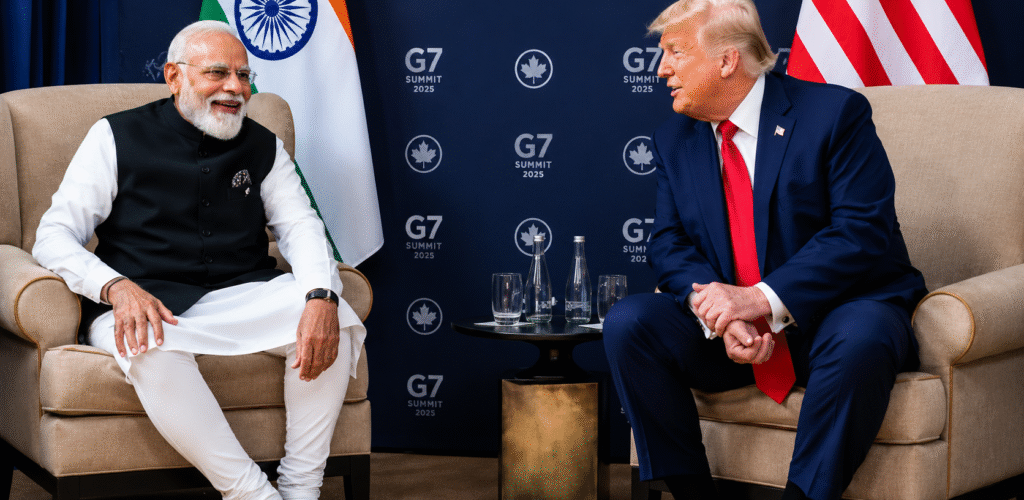
There’s a reason India decided against a full joint press conference after Prime Minister Narendra Modi met US President Donald Trump in France this past June. According to government sources who spoke to PTI on Monday, New Delhi simply didn’t want to take chances with Trump’s well-known unpredictable behaviour in front of the cameras. The two leaders sat down on June 17 in Evian-les-Bains, on the sidelines of the G7 summit. The meeting itself was meant to steady a relationship that had grown strained over the previous year — trade friction, energy differences, the usual list of irritants. But when it came to the media part, India made a quiet request in advance: cameras could come in, the leaders could make their opening remarks, but no open question-and-answer session. US Ambassador Sergio Gor later described what happened next. He said the Indian side had one clear ask. Trump was told the Indians preferred no questions, and he agreed — “sure, no problem.” Then, once the formal statements were done and the room was full of reporters and about fifty cameras, Trump turned and invited questions anyway. What was supposed to stay limited stretched into roughly forty-five minutes, with Modi sitting there while most of the questions went to the American president. Indian sources aren’t pretending this was some dramatic stand-off. They describe it as standard caution. Foreign teams meeting Trump, they say, often stay careful because of how freely he can swing in public settings. They pointed to his past exchanges with the presidents of South Africa and Ukraine as the kind of moments that make people think twice. “Thus, the cautious approach by India,” one source put it. Another official stressed that talking through media arrangements before any big visit is completely normal. India was simply following its usual practice for these situations and shared that preference with the American side ahead of time. No one is claiming the request was extraordinary. It was practical. The clarification only came after Gor spoke about the episode over the weekend. Once his account was out, New Delhi felt the need to explain the thinking behind it. The sources made clear they weren’t trying to snub anyone or hide from the press. They were managing risk in a meeting that already carried weight. Looking back, the June encounter was one of those carefully staged moments aimed at calming things down. Modi reportedly spoke about the importance of keeping shipping lanes open and commerce flowing through places like the Strait of Hormuz, and he acknowledged Trump’s efforts related to the situation in West Asia. The substance of the talks mattered. The format of the media appearance, though, was handled with extra care on the Indian side. Anyone who has watched Trump in joint appearances knows he doesn’t always stick to the script. Questions can go anywhere, answers can land anywhere, and the person sitting next to him has limited control once the microphones are live. For a government that prefers tightly managed public moments with its own leader, that unpredictability was reason enough to keep the arrangement limited from the start. None of this means the relationship is frozen. Both sides have continued talking about trade and other practical issues. But the episode does show how India approaches these high-stakes encounters — with an eye on control and an awareness of the other leader’s style. The sources weren’t dramatic about it. They simply said foreign delegations tend to be wary, and India chose the cautious path. In the end, Trump still held a long media interaction. Modi stayed mostly quiet after his opening remarks. The Indian side later explained why they had preferred it that way. It was never about avoiding the cameras entirely. It was about not handing over an open microphone in a setting where the other person is known for saying whatever comes to mind. That’s the version government sources are putting out now — calm, practical, and rooted in past experience with how these things can unfold. Whether the caution was fully needed is for others to debate. What is clear is that India preferred not to leave it to chance. Sources: PTI reports carried by Times of India, India Today, Hindustan Times, The Wire, Rediff, The Statesman and Deccan Chronicle, 24 August 2026.Public remarks by US Ambassador Sergio Gor at the Economic Times World Leaders Forum, as reported across Indian media, 22–24 August 2026. @Rohit Manral
Centre Summons Meta Public Policy Head Again Amid Row Over PM’s Video: Sources
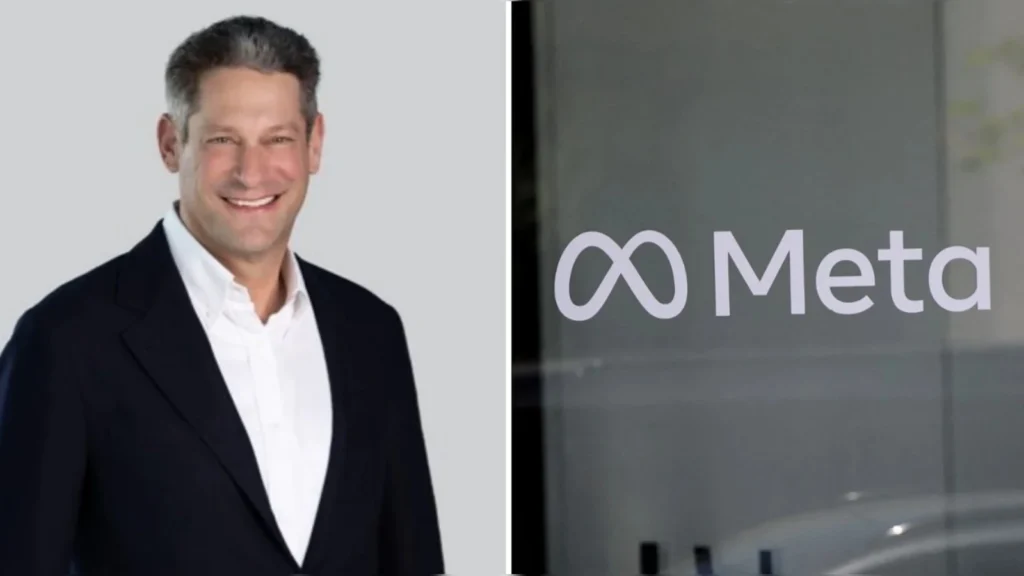
New Delhi: The Centre has once again summoned Meta’s global public policy head, Joel Kaplan, this time for a meeting this week, sources said, as the government continues to press the company over the brief removal of Prime Minister Narendra Modi’s video from Facebook last month. According to people familiar with the matter, Kaplan has been asked to meet officials on Wednesday. Technical officials from Instagram have also been called in. The government wants a clearer picture of how Meta’s algorithms decide what content gets more reach, especially after receiving multiple complaints that certain anti-government posts appear to travel farther on the platforms than others. This is the second time in about a week that Kaplan has been summoned. The first notice went out after Meta temporarily took down a video the Prime Minister posted on 23 July. In that selfie-style message, recorded amid the student protests led by the Cockroach Janta Party over alleged paper leaks in competitive exams, Modi told young people the issue was serious, that culprits had already been arrested, and that the government would bring stronger laws with fast-track courts and stricter penalties. The post, first put up on Instagram and later shared on Facebook, was restricted for several hours. Users in India who tried to view it saw a notice saying the media was unavailable in their region due to a legal request. Meta later restored it and said the content had been “removed in error.” Company sources told the government it was a glitch in the automated content filters that were scanning shared versions of the video and somehow flagged the original post as well. IT Secretary S. Krishnan made it clear the explanation did not fully satisfy the ministry. He called the removal of content from the Prime Minister’s verified handle “an extremely disturbing occurrence” that should never have happened. While he noted Meta’s apology, he said the technical-glitch account was not adequate and that deeper discussions were needed on both policy and technical levels. Sources say the government is now likely to seek a written apology from Meta for the incident and a detailed written submission explaining the so-called glitch. Officials also want to understand the safeguards the company has put in place since then. Meta has told the ministry that posts from the Prime Minister and certain other high-profile accounts will now face additional layers of review by senior company officials before any restriction can be applied. The idea is to prevent a repeat. The issue did not stay limited to the ministry. On Monday, Meta officials faced pointed questions from the Parliamentary Standing Committee on Communications and Information Technology. Members told the company that a simple apology was not enough. They wanted to know who authorised the takedown, why objectionable content targeting the Prime Minister stayed up while his own message was pulled, and what protection ordinary users could expect if even the head of government’s verified post could disappear for hours. BJP MP Nishikant Dubey, who chairs the panel, later said Mark Zuckerberg himself must apologise. If he does not, Dubey warned, Meta’s safe-harbour protection under Section 79 of the IT Act could be at risk in several cases. The timing of the original video made the episode more sensitive. It came during weeks of student agitation over exam irregularities that eventually led to the resignation of the then education minister. The Instagram version of the message crossed hundreds of millions of views. The Facebook restriction, even if brief, raised questions inside the government about whether the company’s systems treat content from Indian public figures with the care required under Indian law. Alongside the video row, the ministry has been raising broader concerns with Meta. These include the spread of deepfakes and synthetically generated content, compliance with the IT Rules, and earlier notices over child sexual abuse material appearing in paid advertisements. Officials have repeatedly said messages conveyed to Meta’s India team did not seem to be reaching the company’s global leadership in the United States with enough urgency, which is why the summons now go directly to senior global executives. Meta has maintained that the removal was an unintended error and has pointed to the new protocols for prominent accounts. The company has also said it is cooperating with investigations, including a separate case registered by Hyderabad cybercrime police against its India head and certain accounts over AI-generated and morphed videos targeting the Prime Minister that circulated during the same protest period. For the government, the episode has become a test of how global platforms handle content that originates from the highest elected offices in the world’s largest democracy. Officials insist they are not seeking special treatment so much as consistent application of rules and reliable systems that do not treat a verified message from the Prime Minister as routine user content that can be swept up by an automated filter. The row has already drawn attention beyond the immediate parties. It has renewed debate about the balance between platform autonomy and the responsibilities that come with operating in a large democracy where social media remains a primary channel for official outreach and public discourse. For now, the summons signal that the matter remains open and that the Centre expects Meta’s global leadership to engage directly and substantively. Sources: NDTV, The Indian Express, The Hindu, The Print, News18, PTI reports, statements by IT Secretary S. Krishnan, and comments by Parliamentary Standing Committee members. @Rohit Manral