Can India Extradite Sheikh Hasina Under the 2013 Treaty with Bangladesh?
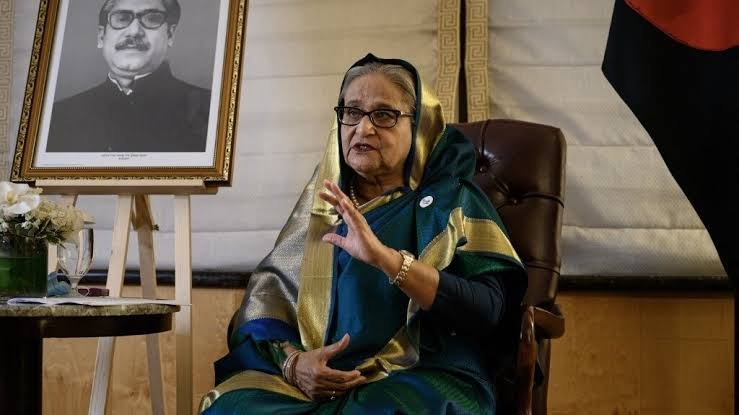
Sheikh Hasina off back to Bangladesh under that extradition treaty they signed in 2013? It sounds straightforward on paper, but once you sit with it, it’s anything but simple. Let me walk you through it the way I’d explain it to a friend over coffee. Hasina’s been living in India since August 2024. She left Dhaka when those huge student protests forced her out. Since then she’s stayed here under some special arrangement. Then in November last year a special tribunal in Bangladesh sentenced her to death in her absence for what they call crimes against humanity during the crackdown on the protests. The Bangladesh side has kept asking India to send her back, pointing straight at the 2013 treaty. India keeps saying the request is “under examination.” That’s all they’ve said for months. The treaty itself is real. India and Bangladesh signed it in January 2013 in Dhaka and it came into force later that year. They even tweaked it in 2016 to make the process a bit faster. Back then both countries were fed up with militants and criminals hopping across the border — Indian insurgents hiding in Bangladesh, some Bangladeshi guys operating from India. The treaty was meant to handle that kind of stuff, ordinary fugitives, not a former prime minister. Under the treaty, either country can ask for someone who’s been charged or convicted of a crime that carries at least one year in jail in both places. That’s the dual criminality rule. Murder, kidnapping, serious violence, terrorism-related stuff — all of that qualifies. After the 2016 change, Bangladesh doesn’t even have to send a mountain of evidence right at the start. A proper arrest warrant is often enough to get the ball rolling. So yes, they can make the request, and they have. But here’s where it gets messy. The treaty has a big escape hatch. Article 6 says India can refuse if the offence is “of a political character.” That’s the classic political offence exception. At the same time the treaty lists a whole bunch of crimes that can’t be called political — murder, manslaughter, kidnapping, causing explosions, terrorism offences and so on. Bangladesh argues the charges against Hasina (the killings during the 2024 unrest) fall into that non-political list. India can still say the whole case feels political because she was thrown out by a political movement and the people now in charge in Dhaka are her opponents. There’s more room in Article 8. India can say no if it believes the request wasn’t made in good faith or isn’t really in the interests of justice. That’s a wide door. India’s own Extradition Act from 1962 has similar protections. Plus the trial happened without her being there, and some people question how fair or legitimate that tribunal really is. Indian courts would get a say if it ever reached that stage, and she’d have a chance to fight it here — something she never got in Dhaka. Then there’s the dual criminality question again. “Crimes against humanity” the way Bangladesh frames it doesn’t always match neat offences under Indian law. That gives India another reason to slow-walk or refuse. Beyond the legal wording, the real world matters. Hasina was India’s partner for years. Her governments worked with India on security, kept certain groups in check, and kept the relationship smooth. Handing her over now would look like turning on an old ally who came here for safety. At the same time India doesn’t want to sour ties with whoever is running Bangladesh today. So they keep the same careful line: the request is being looked at through the proper channels. No drama, no hurry. In the end the treaty doesn’t force India’s hand. Extradition is never automatic. The government still decides, and if it goes to court the judges decide. Hasina herself has talked about going back on her own terms someday, which only adds another layer. So can India extradite her under the 2013 treaty? Technically the door is open if they choose to walk through it. Practically and politically, they’ve got plenty of ways to keep it closed, and so far that’s what they’ve done. The treaty was written for regular criminals and militants, not for this kind of high-stakes political story. How India balances the legal text with its own interests will decide what happens next — not the treaty alone. Sources: Treaty text between India and Bangladesh on extradition (2013, amended 2016)Reporting and official statements from The Hindu, Indian Express, Times of India, Business Standard, The Diplomat, and Ministry of External Affairs briefings between 2024 and 2026. @Rohit Manral
‘India has always been a great friend and will remain so’: Sheikh Hasina
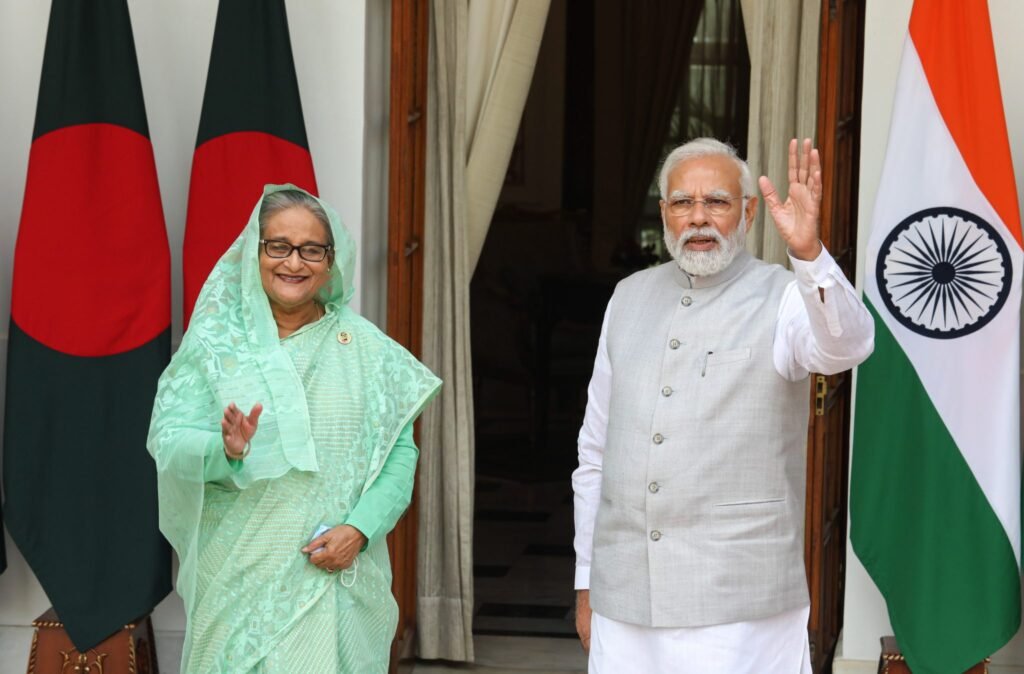
Sheikh Hasina spoke yesterday like someone who has carried the same thought for fifty years. No big speeches, no careful wording. Just the plain truth as she sees it. India has always been a great friend, she said, and it will remain so. She was talking from New Delhi, two years to the day after she left Bangladesh. The country she once led had turned against her. Crowds filled the streets. She had to go. India took her in, the same way it took her in long ago. She went back to those old days without any drama. In 1971, when everything was falling apart and people were running for their lives, India opened its borders. In 1975, after her father and almost her whole family were killed, India gave her and her sister a place to stay. She lived there six years. That memory never left her. Whenever Bangladesh was in real trouble, she said, India stood next to it and gave shelter. Governments come and go, she added, but that friendship stays. It was the first time she had talked properly to the press since she fled. The meeting was private. India made sure everyone knew it had nothing to do with the event. Dhaka had already complained. None of that seemed to matter to her. She just wanted to say what she felt. She has been living quietly under Indian protection all this time. Her son later said the government treated her with the same respect they would give a sitting head of state. The security never slipped. She has not forgotten that kindness either. But the real point of her words was not about staying safe in India. It was about going home. She plans to return in December. She knows what might be waiting. They may lock her up. They may even try to kill her. She said she is ready for that. Fear cannot decide her duty anymore. She cannot sit here while people she still calls her own are suffering. Her return is not about power, she insisted. It is about trying to help put the country back on its feet, back toward development and the values she believes in. She asked for the ban on her party to be lifted. She asked for her people who are in jail to be freed. She said she wants only to stand with ordinary Bangladeshis again. There was no anger in her voice, just that same steady belief. Her son was more direct. He warned that things in Bangladesh are turning dangerous, that militants once locked away are free again, and that this is not only Bangladesh’s problem. India should pay attention. Hasina herself stayed softer. She kept coming back to the older story, the one about a friendship that has lasted through many different governments on both sides. Anyone who has listened to her over the years will know these words. She has said them before, after elections, in interviews from exile, whenever the subject of India came up. India helped Bangladesh come into being. India sheltered her when she had nowhere else. Later the two countries fixed their borders, grew trade, and worked together on security. She has always called that partnership one of the most important things her country has. On this anniversary she simply said it once more, without any decoration. India stood with Bangladesh in its hardest hours, and she believes it will keep doing so. She is still in India for now. She even mentioned wanting to visit Nizamuddin Dargah before she leaves. When December comes, she says she will go. What happens after that, nobody can say for sure. But the friendship she spoke about is the one thing she seems completely sure of. Sources: Contemporary reports from Hindustan Times, NDTV, News18, The Indian Express, Reuters, The Hindu and ThePrint on Sheikh Hasina’s remarks of 5 August 2026. @Rohit Manral