Dharmendra Pradhan Steps Down as Education Minister After Weeks of Student Protests at Jantar Mantar; Centre Moves to Clear the Site
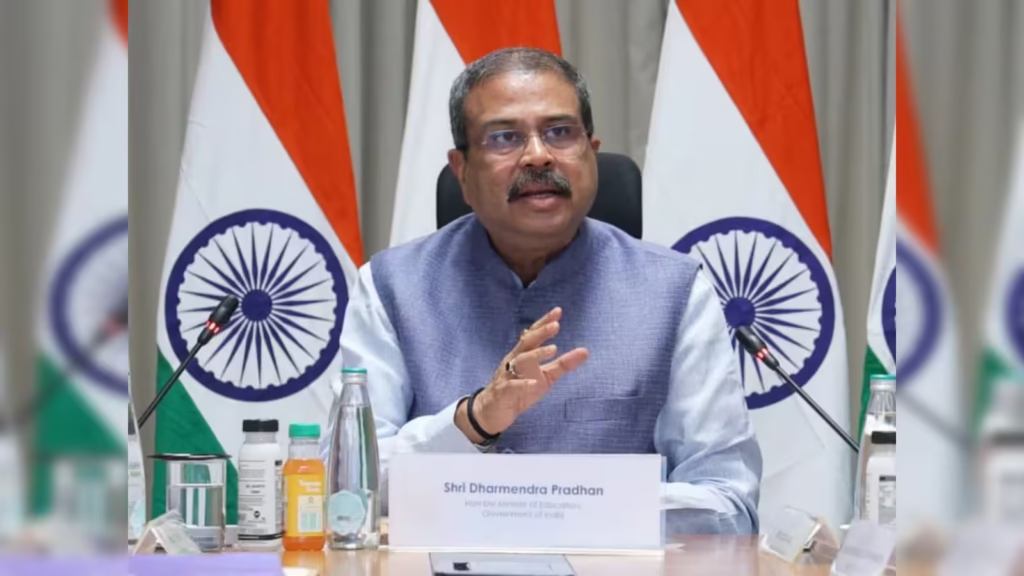
On Saturday in Delhi. After more than a month of students camping out at Jantar Mantar under the banner of the Cockroach Janta Party, or CJP as everyone has started calling them, Union Education Minister Dharmendra Pradhan announced his resignation. And almost right after that, the government began taking steps to clear the protest site that had become the centre of the whole storm. It all started with the NEET-UG paper leaks and the long list of anomalies that followed. The CJP, led by Abhijeet Dipke, turned that furious into a continual sit-in at Jantar Mantar starting around mid-June. What began with a few dozen people grew into thousands. They stayed through the heat, through police action, through rounds of talks with the Centre. Their main demand was simple and stubborn: Pradhan must go. By Friday, after a second meeting at the Constitution Club, the government asked for one more day. The students said they would wait till Saturday afternoon. Then, earlier than anticipate, Pradhan posted on X. He said he was taking moral responsibility. He wrote that he did not want the protests to be used by what he called anti-national forces, and that students should be able to get back to their studies without getting stuck in legal cases or endless perturbation. The President accepted the resignation the same day on the counsel of the Prime Minister. Within hours, Union Minister Pralhad Joshi was given additional charge of the Education Ministry. Dipke told the crowd it was their first big breakthrough, though he made it clear the movement was not over. Later in the day, the CJP said they were calling off the protest “in good faith.” They had secured a few other things too — talk of compensation for families of students who died by suicide, and a promise that FIRs against protesters would be looked at. Activist Sonam Wangchuk, who had been on a hunger strike in support, also ended it. Now the Centre is moving to clear Jantar Mantar. Police presence increased after the resignation announcement. There had already been tear gas earlier in the day when things got tense before the news broke. Officials want the site back to normal as quickly as possible. For the students who spent weeks living there, it feels like a rare moment when the government actually blinked. For the government, it is a way to close a chapter that was becoming politically costly and starting to spread beyond Delhi. Walking around Jantar Mantar in the days leading up to this, you could feel how personal it had become. Kids from Bihar, Uttar Pradesh, Rajasthan, Maharashtra — many of them first-generation students aiming for medical seats — talked about the money their parents had spent on coaching, the pressure, the feeling that one leaked paper could destroy years of work. The “cockroach” name itself started as an insult and was turned into a badge. The government, for its part, had been trying to manage the situation carefully. Talks happened, some concessions were offered, but the resignation demand stayed non-negotiable for the students. Giving Pradhan the exit and handing the portfolio to Joshi looks like an attempt to reset the conversation. Joshi is a senior leader with experience in organisation work. Whether that translates into faster reforms in the testing system is something everyone will be watching. In the end, what happened on 25 July feels like one of those moments when street pressure actually forced a ministerial change in a system that usually moves very slowly. The students are packing up, the tents will come down, and Jantar Mantar will go back to being the usual protest ground for other issues. But the questions they raised about fairness in education will not disappear with them. Sources: The Hindu, BBC News, Al Jazeera, NDTV, Hindustan Times, Indian Express, NPR, reports from July 25, 2026. @Rohit Manral
Sonam Wangchuk Finally Breaks His 26-Day Fast – And Honestly, It Felt Like a Collective Sigh of Relief
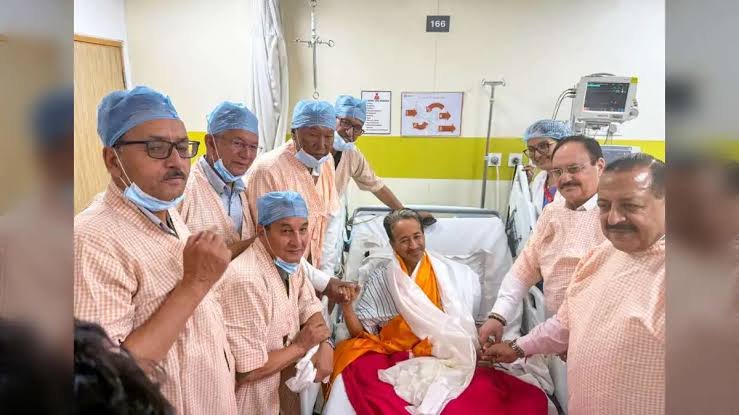
On July 23, this quiet but fierce guy from Ladakh ended his 26-day hunger strike at Medanta Hospital in Gurugram. And right there in the room with him were Union Ministers JP Nadda and Dr. Jitendra Singh. No big drama, just him sipping something nourishing, looking tired but at peace, with his wife Gitanjali by his side. It wasn’t some grand ceremony – it felt real, like a hard-earned pause in a long fight. Sonam sir – that’s what so many call him – isn’t your typical activist who shouts for the cameras. He’s the engineer who taught villagers in Ladakh how to build ice stupas to store water in that freezing desert. He’s been arrested, fasted before, walked hundreds of kilometers, all for his people’s rights, for the environment, for the fragile Himalayas. This time, he threw his weight behind the young students and the Cockroach Janta Party folks protesting the mess in our education system. You know, those horrible NEET paper leaks and all the other exam disasters that crushed dreams of lakhs of kids. It started back in late June. Wangchuk joined the protests at Jantar Mantar in Delhi. The Cockroach Janta Party – yeah, that name came from a court remark that young people flipped into a movement – had been pushing hard for accountability. They wanted the Education Minister to take responsibility, fixes so this doesn’t keep happening, and justice for the students whose lives got derailed. Sonam didn’t have to do this. He’s 59, has his own battles in Ladakh – statehood, Sixth Schedule protections, stopping reckless development that threatens their culture and ecology. But he stood with the youth anyway. Said he’d go six weeks or even to the end if needed. Man lost over 11 kilos. His voice stayed calm in videos, but you could see the toll. Things got intense. Around day 21, police moved him to hospital. His team called it forceful; authorities said it was for his health. Supporters were worried sick. People across India, even Indians abroad in places like London, held solidarity protests. Social media was full of messages – prayers, anger, hope. Doctors monitored him closely at Medanta. And then came the talks. When he broke the fast, Wangchuk looked grateful. He thanked everyone who stood by – especially the 65 MPs who raised their voices. The government apparently assured no cases against peaceful protesters, parliamentary discussions on exam reforms, and help for affected families. He urged his followers to stay non-violent: “Only flowers, not stones.” Classic Sonam – firm but peaceful. He promised he’d share more details soon in a video. Far from it. Many in the Cockroach group are happy he’s okay but they’re continuing their sit-in till they see real change, like the minister stepping down or solid laws against leaks. Opposition parties have their take – some call it partial win, others say it’s just management. But for ordinary folks like us, seeing a man like Wangchuk survive this and get some assurances feels hopeful. Our kids study so hard, parents sacrifice everything for coaching classes, and then scams hit like this? It’s heartbreaking. Sonam Wangchuk is how he connects the dots. Education scams aren’t separate from Ladakh’s fight. It’s all about listening to people on the ground, protecting futures, and not letting big systems crush the small guy. He’s done ice stupas, solar schools, climate advocacy – always teaching, always building. In interviews over the years, he comes across as this thoughtful teacher who believes in action over empty talk. His wife and close ones must have been through hell. Fasting that long isn’t a joke – weakness, health scares, constant monitoring. Yet he stayed committed. When PM Modi also appealed for his recovery, it added another layer. Shows how much attention this drew. As he recovers now, slowly eating again, gaining strength, the spotlight shifts. Will Parliament actually debate meaningful reforms? Will Ladakh get the attention it deserves? Will students see changes before the next exam cycle? Questions remain, but the fast ending in front of senior ministers feels like a door cracked open. Moments like this remind me why persistence matters. Not everyone can fast for 26 days. Most of us just scroll, like, share. But Wangchuk reminded us that real change often needs sacrifice. He called himself an “honorary cockroach” earlier – standing with the youth. That humility? Respect. To every student stressing about exams, every parent worried, every Ladakhi fighting for their hills – this one’s for you. Get well soon, Sonam sir. The fight continues, but today, we celebrate that you’re still with us, still pushing. Sources: @Rohit Manral
Sonam Wangchuk Says Will End Fast If Centre Spares Students From Legal Action
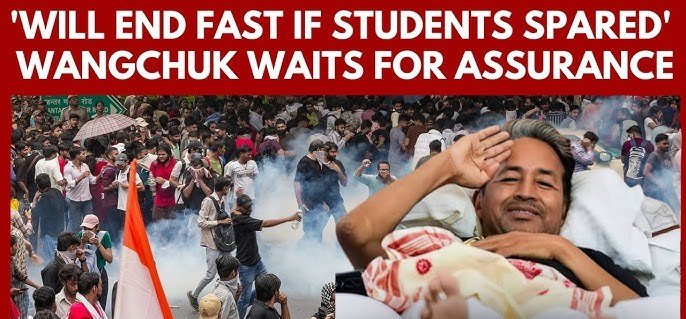
Right now, that’s Sonam Wangchuk for me. This gentle but incredibly strong man from Ladakh has been on a hunger strike for more than three weeks, and yesterday he reached out with such a kind, reasonable offer: he’ll stop fasting right away if the government simply promises that the young students and protesters won’t face any police cases, punishment, or trouble for speaking up about the NEET paper leak mess. Heart aches thinking about it. Wangchuk is 59, a teacher at heart, someone who’s spent his whole life trying to make things better for kids and for the fragile mountains he calls home. He’s the one behind those clever ice stupas that help store water in the desert-like cold of Ladakh. He’s built schools that actually feel like home for local children. And now he’s lying in a hospital bed in Gurugram, weak, having lost over nine kilos, living only on salt and water, all because he can’t stay quiet when young dreams are being shattered. Kids from all kinds of backgrounds, burning the midnight oil for NEET, that one big exam they believe will open doors to a doctor’s coat and a stable future for their families. Then the leaks happen, the unfairness comes out, and suddenly everything feels broken. Protests started, voices rose at places like Jantar Mantar in Delhi, and Wangchuk stood with them, starting his fast at the end of June. He wants real answers, real changes, and yes, accountability from the top. From his hospital room, after ministers JP Nadda and Jitendra Singh visited and gently asked him to eat again, he wrote them a letter. You can almost hear his tired but steady voice in it. He thanked them for coming, for caring about his health. Then he said, simply and respectfully, that he needs a clear promise – no punitive action, no retaliation against any of the young people who joined this movement. Give that assurance, and he’ll end the fast today. No assurance, and he feels he has to continue. It’s the kind of compassion that makes you pause. He’s not fighting for himself. He’s protecting the kids who had the courage to come out and say, “This isn’t fair.” In a country where so many families pour everything into their children’s education, where coaching fees and hopes are sky-high, these leaks feel like a deep betrayal. Wangchuk is saying, let’s not punish the ones brave enough to demand better. Let’s shield them so we can fix the system together. There’s something pure about how he lives – close to the land, close to people, always thinking seven generations ahead. He’s fasted before for Ladakh’s rights and protection. It’s his way, peaceful and determined, like the elders who taught us that truth spoken gently can move mountains. His family and friends have been updating everyone, worried but proud. Other activists have joined in solidarity. Even people like Preity Zinta spoke up, asking for dialogue and reminding everyone to care for the humans involved. Right now he’s in Medanta after they moved him there when things got tough. He’s refused some treatments because he wants to stay true to his protest. The toll on his body is real – doctors talk about dehydration and weakness – but his spirit is still fighting for those students whose futures hang in the balance. This feels bigger than one man or one exam. It’s about whether our systems protect the young or scare them into silence. Wangchuk’s offer is so human: give the kids safety, and let’s move forward with honesty and repairs. Investigate properly, secure the exams, support the affected students, and rebuild trust. No more broken hearts and wasted years. An assurance like this could bring relief, calm the streets, and let healing begin. It would let Wangchuk rest, eat, and recover while the real work continues. And it would tell every student out there that their voice matters, that standing up doesn’t have to cost them everything. Sonam Wangchuk has always been about quiet strength and deep care. In these difficult days, he’s showing us again what it means to put others first. My thoughts are with him, with the students, and with all the families waiting for fairness. May wisdom prevail, and may this chapter end with kindness and justice for the young ones who deserve a chance to shine. Sources: NDTV, Rediff, BBC, and other reports from July 22, 2026, covering Wangchuk’s letter, the ministers’ visit, and the ongoing NEET protest context. @Rohit Manral