Shilpa Bhatt Honoured with ‘Naari Samman’ by HT Digital Streams Limited for Excellence in Entrepreneurship
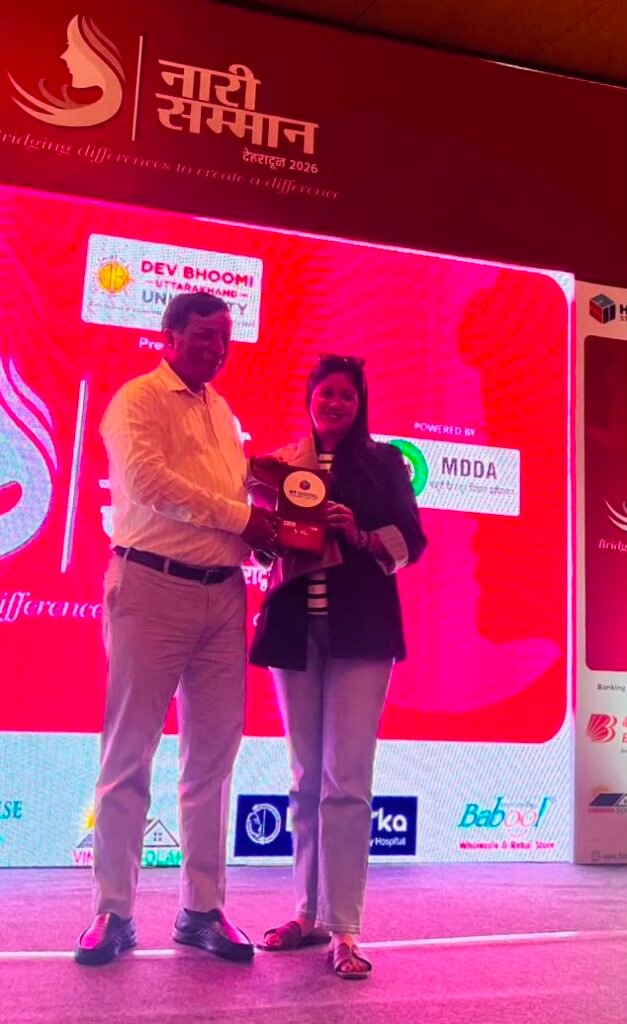
Dehradun: In recognition of her outstanding contribution to the food and hospitality industry, entrepreneur Shilpa Bhatt, Founder of Pizza Italia, has been honoured with the Naari Samman for Excellence in Entrepreneurship by HT Digital Streams Limited. The award celebrates women entrepreneurs who have demonstrated exceptional leadership, innovation, and a commitment to creating successful businesses while inspiring others through their entrepreneurial journey. Shilpa Bhatt founded Pizza Italia on 9 September 2016 with a vision to offer fresh, high-quality pizzas through a live kitchen concept and a customer-first approach. Over the years, the brand has earned a strong reputation for its quality, innovation, and dedication to delivering an exceptional dining experience. Under her leadership, Pizza Italia has become a recognized name in the food industry. Her journey reflects resilience, consistency, and a passion for excellence, inspiring aspiring entrepreneurs, particularly women, to pursue their business ambitions with confidence. Shilpa Bhatt’s entrepreneurial achievements have also been recognised through several prestigious honours, including the Young Entrepreneur Award, Best Entrepreneurial Journey Award, Best Pizza Outlet Award, Youth Icon Award, and Vocal for Local Award. Receiving the Naari Samman, Shilpa Bhatt expressed her gratitude and dedicated the honour to every entrepreneur who believes in turning dreams into reality through hard work, innovation, and perseverance. She reaffirmed her commitment to continuing Pizza Italia’s journey of excellence while contributing to the growth of India’s food and hospitality sector. The Naari Samman for Excellence in Entrepreneurship by HT Digital Streams Limited stands as another milestone in Shilpa Bhatt’s inspiring entrepreneurial journey, recognizing her dedication to building a trusted food brand and encouraging women to lead with vision, determination, and purpose. @Rohit Manral
Request to extradite Sheikh Hasina ‘being examined’, Centre tells Parliament panel
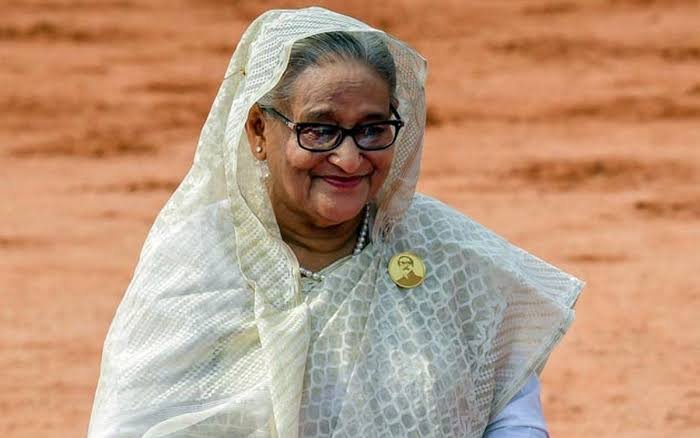
The government has told a parliamentary panel that Bangladesh’s request for Sheikh Hasina’s extradition is still being examined. Officials said this while the committee was looking at the overall state of India-Bangladesh ties. They made it plain that the matter is moving only through the normal legal and judicial route. Hasina has been in India since August 2024. She left Dhaka when the protests became too big and her government collapsed. Bangladesh has asked India more than once to send her back so she can stand trial. A special tribunal there later gave her a death sentence in her absence for the way the protests were handled. That has kept the demand alive. When the panel brought it up, the Centre simply repeated what it has been saying for a long time: the request has come and it is under examination. No date was given. Officials also told the committee that Hasina is not being allowed any political activity from Indian soil. No platform, nothing directed against another country. The committee noted all of this. In its remarks it said the government should keep following its humanitarian line. It spoke about India’s old practice of giving shelter to people who are in real trouble and said these cases need careful handling, keeping both values and responsibilities in mind. This is not a fresh answer. At almost every MEA briefing the same words come out. “Yes, we have received an extradition request. As we have stated earlier, the request is under examination.” They also keep saying India wants peace and stability in Bangladesh and will keep talking to all sides. The story behind the request is simple enough. After 5 August 2024 Hasina crossed into India. The interim government in Dhaka, under Muhammad Yunus, sent a formal request under the bilateral treaty. The demand grew stronger after the death sentence. Bangladesh says India has a duty to hand her over. India has taken its time. Sending back a former prime minister is never straightforward, especially when the charges feel political. The treaty itself lets a country refuse if the offence is seen as political in nature. Lawyers say any final decision will have to look at that carefully, along with fair trial questions and the fact that the sentence is death. While this hangs in the air, ordinary work between the two countries goes on. The same panel worried that fewer visas for Bangladeshi citizens are hurting ordinary contact between people. After August 2024 visa services were cut and some staff were pulled out. The government told the committee that about 1,500 visas are being given every day now across five centres, most of them for medical reasons. The panel asked the Ministry of External Affairs to work with the security side and slowly bring the visa system back to normal when the situation allows, without dropping the needed checks. Hasina’s stay is still one of the sensitive points. For India she was a known partner for many years. For the people now running things in Dhaka she is unfinished business. Handling that without spoiling the larger relationship is the quiet job in front of the government. So far the public line has not changed. The request is being examined. No one is saying when a decision might come. In the panel meetings and in the statements from South Block the message stays the same: the process comes first. The committee’s suggestions will now sit on the record. Whether this examination ends with extradition, more legal steps, or just longer waiting is still not clear. What is clear is that India is dealing with it on its own terms — by the law, with some thought for humanitarian reasons, and with a careful look at its neighbourhood interests. Sources: Parliamentary Standing Committee on External Affairs observations and Action Taken Report on India-Bangladesh relations (reported July 2026)Ministry of External Affairs weekly media briefings (Randhir Jaiswal statements, 2025–2026)The Times of India, 30 July 2026The Daily Star, 17–18 July 2026Deccan Herald, 17 July 2026Earlier MEA replies in Parliament (Rajya Sabha, 2025) @Rohit Manral
Dr. Vipin Gaur Meets Minister Dr. L. Murugan – A Warm and Useful Conversation
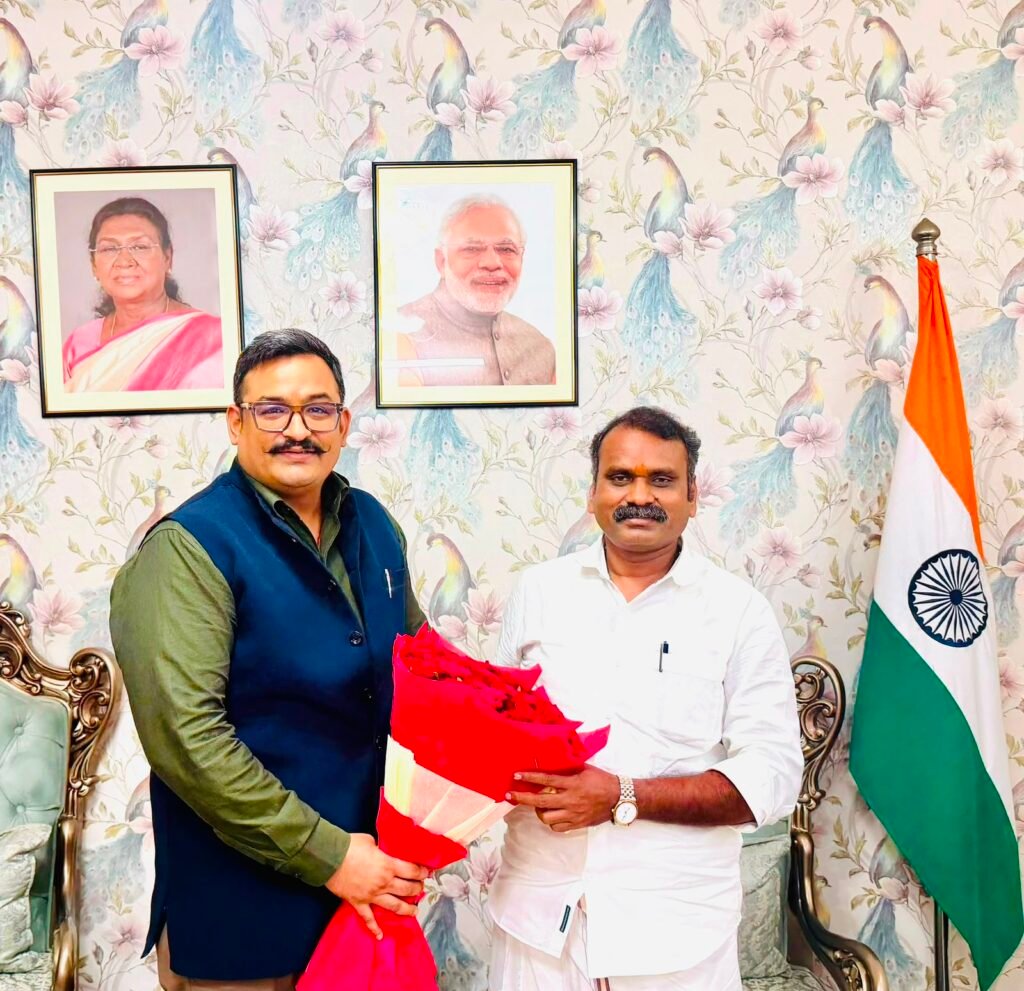
Dr. Vipin Gaur, the General Secretary of the Newspaper Association of India, sat down with Union Minister of State for Information and Broadcasting and Parliamentary Affairs, Dr. L. Murugan, for a courteous and open conversation. It wasn’t some stiff formal event. It was a proper discussion where both sides talked freely about the things that actually matter to Indian media right now. Dr. Gaur told the minister about the work his association has been doing across the country – the programmes they run, the efforts they make to stand up for newspapers and journalists, and the steps they’re taking to keep journalism ethical and responsible. He spoke about how digital media is growing so fast these days, how broadcasting needs better technology, and how the Indian film and entertainment world can become stronger on the world stage. They also talked about giving young people more chances in these fields and encouraging fresh ideas. What stood out was how Dr. Gaur appreciated the minister’s simple and humble way of working. He said Dr. Murugan’s quiet commitment to growing the information and broadcasting sector, keeping creative conversations alive, and making the media community stronger really comes through. That kind of approach makes people feel heard. They didn’t just stick to one topic. They exchanged thoughts on several important issues that are in the news these days, and the tone stayed positive throughout. At the end, Dr. Gaur shared a clear hope – that if the government, media institutions, and journalists’ organisations keep talking and working together, Indian media, journalism, and the creative industries will find a better direction. He believes this kind of steady cooperation will make responsible, trustworthy journalism even stronger. The Newspaper Association of India has been quietly doing a lot of groundwork – protecting journalists’ interests, supporting media education, helping young reporters build skills, and recognising good work at the national level. Meetings like this one give them a chance to share what’s happening on the ground and also hear the government’s side of things. It’s the kind of conversation that doesn’t make big headlines every day, but it matters. When people from the media side and the government side sit across a table and talk honestly about technology changes, digital growth, broadcasting upgrades, and how to keep public interest at the centre, something useful usually comes out of it. Dr. Gaur explained the association’s different initiatives in detail, and the minister listened. That simple exchange of information and ideas is how better understanding starts. Both sides seem to want the same basic things – a stronger, more professional media that serves people well and can hold its own internationally, especially in films and entertainment where so many young talents are looking for opportunities. In a time when everything is changing so quickly – from how news reaches us to how stories are told on screens – these calm, respectful conversations help everyone stay on the same page. No drama, no big speeches. Just two people who care about the media ecosystem sitting together and talking about what needs attention and how things can move forward. Dr. Gaur left the meeting feeling hopeful. He believes that continuous dialogue will give Indian journalism and the creative industries the fresh push they need. And honestly, that kind of quiet confidence is worth noting. The Newspaper Association of India will keep doing its work – supporting journalists, building skills, promoting ethical standards, and recognising people who do good reporting. And conversations like the one with Dr. Murugan help keep the door open so that practical issues can be discussed whenever they come up. That’s really the heart of it. A straightforward, respectful meeting in New Delhi where media and government talked about real concerns and shared a common wish for a stronger, more responsible Indian media landscape. Sources: Smart Vision Samachar, Ghaziabad edition, Thursday 30 July 2026 @Rohit Manral
Meta Assures IT Ministry: PM Modi’s Posts and Other Prominent Accounts Will Get Extra Oversight and Senior-Level Reviews
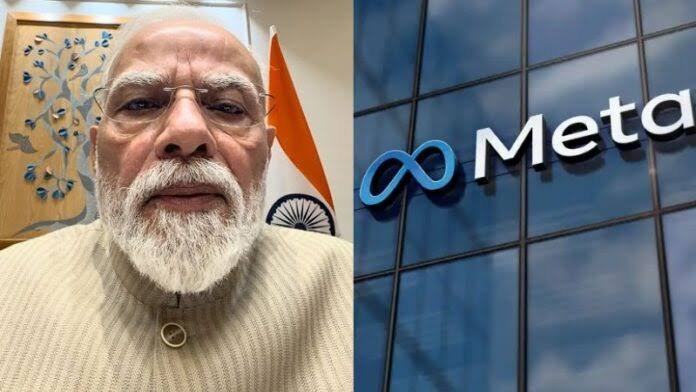
A video from the Prime Minister’s own verified account goes missing for a bit on Facebook, the government gets involved, and suddenly the company that runs the platform is scrambling to show it takes the matter seriously. That’s pretty much where we are right now. On Wednesday, Meta told the Ministry of Electronics and Information Technology that posts from Prime Minister Narendra Modi and other high-profile Indian accounts will now receive additional oversight. Reviews of such content will happen at a senior level inside the company. Multiple checks are being put in place so that something like this does not happen again. Sources close to the matter shared these details with PTI, and the message has been consistent across several reports. This comes a day after the IT ministry summoned Meta’s global head of public policy. The trigger was a short video that Modi had posted. It was his first direct selfie-style video aimed at young people. In it, he spoke about the pain of paper leaks, the impact on lakhs of students and their families, and the government’s plan to bring tougher laws, including fast-track courts and stricter punishments. The video first went up on Instagram around 23 July and was shared on Facebook. For a brief period early on 28 July, access to it was restricted on Facebook. Meta later restored it and said the removal happened “in error.” The company has blamed a glitch in its automated content filters. According to what Meta told the government, those AI-powered systems were reviewing shared versions of the post and related content circulating on the platform, and in the process the original post itself got caught up and restricted for a short time. Meta has apologised. An official statement from the company confirmed the content was removed by mistake and has been put back. But the government was not fully satisfied. IT Secretary S. Krishnan said it was good that Meta admitted the mistake and apologised, yet the explanation was not adequate. Officials described Meta’s account of events as “not reasonable” and made it clear the matter was far from closed. They want deeper discussions and clearer answers on how such an error could affect a post from the Prime Minister’s verified handle. If automated systems can make this kind of mistake, the company needs to improve those tools, sources indicated. Meta has now written to the ministry outlining the new safeguards. Posts by the Prime Minister and other prominent accounts will get extra layers of scrutiny. Multiple checks will take place involving senior company officials. The idea, from what sources describe, is a kind of ring-fencing for high-profile accounts so that automated systems do not casually pull them down. Meta officials are also expected to meet government representatives later this week or early next week to discuss the incident further. The timing of the original video mattered. It came amid prolonged student protests over alleged irregularities in the NEET-UG examination. Modi spoke directly to that frustration, saying paper leaks are not an ordinary issue and that the government was moving to set up fast-track courts and bring legislation with harsh penalties. The Union Cabinet was to discuss the proposals, after which efforts would be made to pass the bill in Parliament. On Wednesday itself, the Lok Sabha passed the anti-paper leak amendment bill. For a platform that handles millions of posts every day, automated moderation is unavoidable. Yet when a verified post from the country’s highest elected office gets restricted, even briefly, it raises questions about reliability and accountability. The government has made it clear it expects better from a technology company of Meta’s size. Summoning global executives rather than relying only on the India team signals that New Delhi wants these conversations to happen at a higher level. Meta, for its part, has moved into what looks like correction mode. By promising additional oversight and senior reviews for content from the Prime Minister and other prominent personalities, the company is trying to show it has taken the government’s concerns on board. Whether these new processes will fully prevent similar incidents remains to be seen, but the commitment has been put on record. For now, the video is back up. Meta has apologised and outlined tighter internal checks. The government continues to press for more details and systemic improvements. Officials from both sides are likely to sit across the table in the coming days. How those conversations go will decide whether this particular chapter is truly closed or whether it leads to longer-term changes in how platforms handle content from prominent Indian voices. Sources: PTI reports carried by The Times of India, CNBC-TV18, India TV, The Tribune, and related coverage from Hindustan Times and other outlets citing government and company sources. @Rohit Manral