Shehzad Poonawalla Presses BJP to Accept His Resignation After Party First Said No
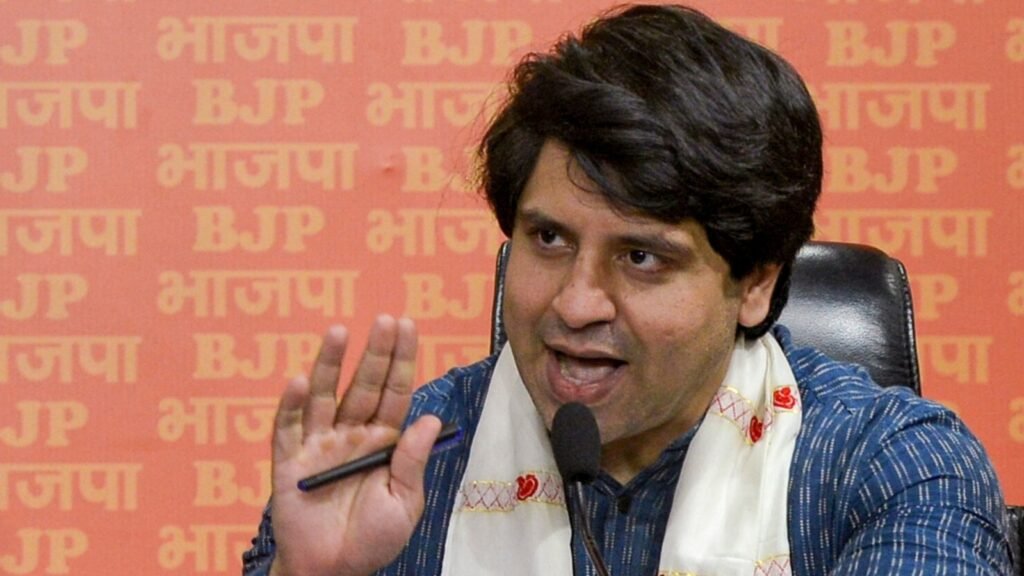
Look, political exits in India rarely happen cleanly or quietly. On Monday, 17 August 2026, Shehzad Poonawalla, the BJP’s national spokesperson who has been a familiar, often fiery face on television debates for years, made it clear he wants out. He has submitted a second resignation letter and is pressing the party to accept it after the first one, sent on 30 July, was politely turned down. Poonawalla shared the fresh letter on X. In it he writes with the mix of formality and personal warmth that has marked a lot of his public communication. He addresses party president Nitin Nabin (sometimes spelled Nabeen in the letterhead) and recalls the earlier note: “Please read this letter in continuation with my last letter dated 30th of July 2026, where I offered to resign unconditionally from all positions and primary membership of the BJP due to pressing financial and personal circumstances.” He admits the party’s response touched him. “It was extremely touching and I am indeed grateful that the party refused to accept my resignation letter immediately and requested me to reconsider the decision.” But after “long and hard contemplation,” he has decided he wants to be relieved of the national spokesperson role and active primary membership. Recent events involving “certain individuals” (whom he says he has already discussed in detail with the leadership) have only reinforced that choice. The tone stays respectful throughout. He offers “gratefulness, love, affection, and highest regard” for Prime Minister Narendra Modi, Nitin Nabin, Home Minister Amit Shah, Defence Minister Rajnath Singh and organisation general secretary B.L. Santosh. He thanks the party for the platform and opportunities of the last five years. He makes a point of saying he is leaving the “Vyavastha” (the organisational system) but not the “Vyakti or Vichar” (the person or the ideology). He plans to move into the private sector because of those emergency financial and personal pressures, yet promises to keep supporting Modi’s vision and the BJP’s work “wherever possible and in whatever format possible.” In the accompanying X post he put it more personally: a young Pasmanda Muslim, non-dynast, rising the way he did “would not even be possible” in any other country or party. He bids a warm goodbye to the position and the party he loves, but insists the larger mission of Viksit Bharat and “Make India Great Again” will continue with more vigour under Modi. “Vande Mataram. Jai Hind.” This is not a sudden break. Back at the end of July, reports first surfaced that Poonawalla had tendered his resignation citing personal reasons. Around the same time he quietly updated his X bio, removing every reference to being a BJP national spokesperson. What remained was a neat self-description: Religion Islam, Culture Hindu, Ideology Bhartiya, Author of GST Ki Yatra, and lifelong follower of PM Narendra Modi. That change alone set the political chatters off. Sources at the time confirmed he had already submitted the letter; an official party statement was expected but never quite materialised in the weeks that followed. Poonawalla’s political journey itself explains why the exit is being watched. He started young, around 18-19 years ago, in the Congress. In 2017 he publicly challenged the party’s presidential election process as rigged in favour of Rahul Gandhi and walked out. Soon after he joined the BJP and was made a national spokesperson. For nearly a decade he became one of the party’s most visible television faces, defending the government, attacking the opposition, and often locking horns with his own brother Tehseen Poonawalla, who stayed on the other side of the ideological fence. In recent months he had already begun signalling that the time to step back from active politics was approaching. He had thought 2024 would be the end after Modi’s third term, but stayed on for key state elections in Delhi, Maharashtra, West Bengal and elsewhere. After those, he said, it felt right to move on. The financial and personal pressures he now cites appear to have accelerated that timeline. What happens next is still unclear. The BJP has not issued a formal response to the second letter as of Monday afternoon. In Indian politics, parties sometimes hold on to useful public faces a little longer than the individual would like; other times they accept the exit with quiet dignity. Poonawalla has left the door open for continued informal support of the party’s larger goals. Whether that means the occasional television appearance, writing, or something else in the private sector remains to be seen. For now the story is straightforward. A man who spent years arguing passionately for the BJP on national television has decided the organisational chapter is closed. He asked once, the party asked him to stay and rethink, and now he has asked again, more firmly. The letter is public, the reasons are personal and financial, and the gratitude is repeated. In the often noisy world of Indian political messaging, this particular exit has been unusually measured. Sources: Hindustan Times report dated 17 August 2026; Shehzad Poonawalla’s X post and the two-page resignation letter he shared the same day; earlier July 2026 reports from News18, NDTV and other outlets citing sources on the first resignation letter and the bio update. @Rohit Manral
Air India to Test Every Pilot for Banned Substances After Phuket Flight Scare
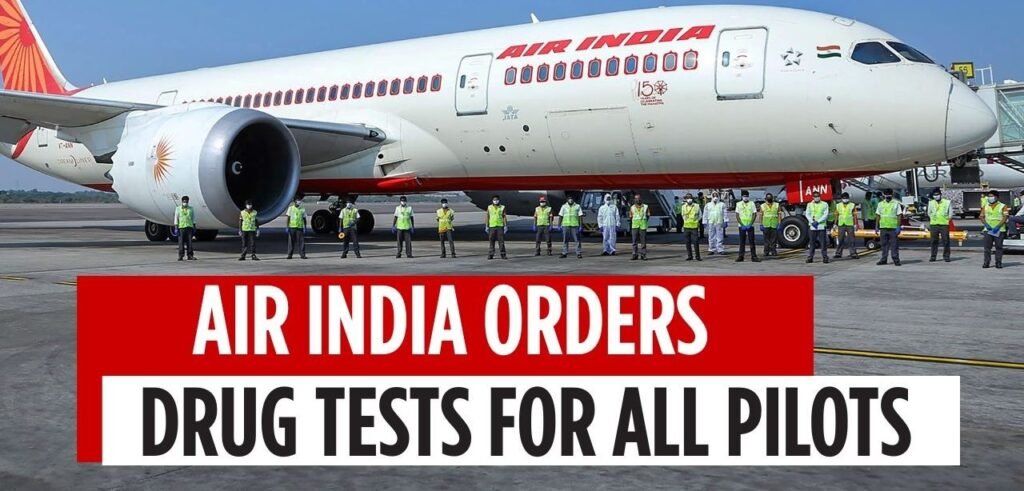
Air India has decided enough is enough. Starting today, every pilot working for the airline and its budget sister company Air India Express will have to undergo mandatory testing for banned substances and medications that aren’t allowed under aviation rules. That’s more than 5,000 pilots in total. No exceptions. The move follows a frightening incident last week. On 4 August, flight AI2379 from Phuket to Delhi suddenly dropped about 300 feet while cruising. Around 20 passengers and a few crew members were hurt. The plane, an Airbus A320, eventually landed safely in Delhi, but the scare was real enough. Both pilots were taken off flying duties straight away while investigators looked into what happened. Then came the drug tests. Sources say the captain tested positive for marijuana in the confirmatory lab check. The airline hasn’t officially confirmed the substance, but the reports have been consistent. In a memo sent out to staff this morning, Air India made its position plain. The company already follows the DGCA’s rules, which require random testing of at least 10 percent of flight crew every year. Those rules are similar to what you see in Europe and the US. But after this incident, the airline decided that wasn’t enough. “We nevertheless now feel that it is important to go further,” the memo said. The full screening of every pilot in the group is meant to show the airline is serious about safety and to give passengers some peace of mind. The tests started today, 13 August. They’re being done during training sessions at the Gurugram academy, after flights at the briefing centres, at airline offices, or at whatever location each pilot’s base arranges. The idea is to get through the whole pilot force without bringing operations to a halt. This comes at a tough time for Air India. The airline is still living with the fallout from the June 2025 crash of the Ahmedabad-to-London flight that killed 260 people. Only one passenger walked away. Trust has taken a beating, and the company knows it. The memo even called trust its most important asset. Under the current DGCA rules, a first positive drug test doesn’t automatically mean a pilot loses their licence. They’re usually sent for rehabilitation, then have to pass another clean test and get medical clearance before they can fly again. A second offence can mean a three-year suspension. A third can end the licence for good. Air India’s own internal rules are said to be stricter, so the captain involved in the Phuket flight could face tougher company action once the internal inquiry finishes. The tests look for the usual list of psychoactive substances — cannabis, cocaine, amphetamines, opiates, and certain medications that pilots simply aren’t allowed to take while flying. Initial checks are done with urine samples. If something shows up, the pilot is grounded immediately and a more thorough lab test follows. Safety people in the industry have pointed out for years that testing only 10 percent of the crew leaves room for problems to slip through. Checking everyone is a bigger, more expensive step, but it sends a clear message. For passengers still nervous after recent incidents involving Indian airlines, it might feel like the right call. The investigation into the altitude drop is still going on. Early talk mentioned turbulence, but later details suggested there may have been hydraulic and control system warnings just before the plane lost height. Whether the captain’s condition played any part is still an open question. Both pilots remain grounded until the probe is finished. The Ministry of Civil Aviation is already looking at the rules again. There is talk of increasing the percentage of random tests and toughening the penalties. Air India hasn’t waited for new regulations. It has simply decided to act. For the pilots, it means another layer of scrutiny in an already demanding job. For the airline, it’s an attempt to draw a line and start rebuilding confidence. Whether the testing programme runs smoothly and what the full investigation into the Phuket flight finally reveals will shape how this story is remembered in the weeks ahead. Right now, every pilot knows they will be tested. And passengers can at least see that the airline is treating the issue with the seriousness it deserves. Sources: BBC News, The Hindu Business Line, The Straits Times, The Indian Express, The Tribune, India Today, Business Standard, Times of India, and related reports from 11–13 August 2026. @Rohit Manral
Amit Shah Says He’s Ready for Any Question, Rahul Gandhi Says They’re Not Here for His Lecture
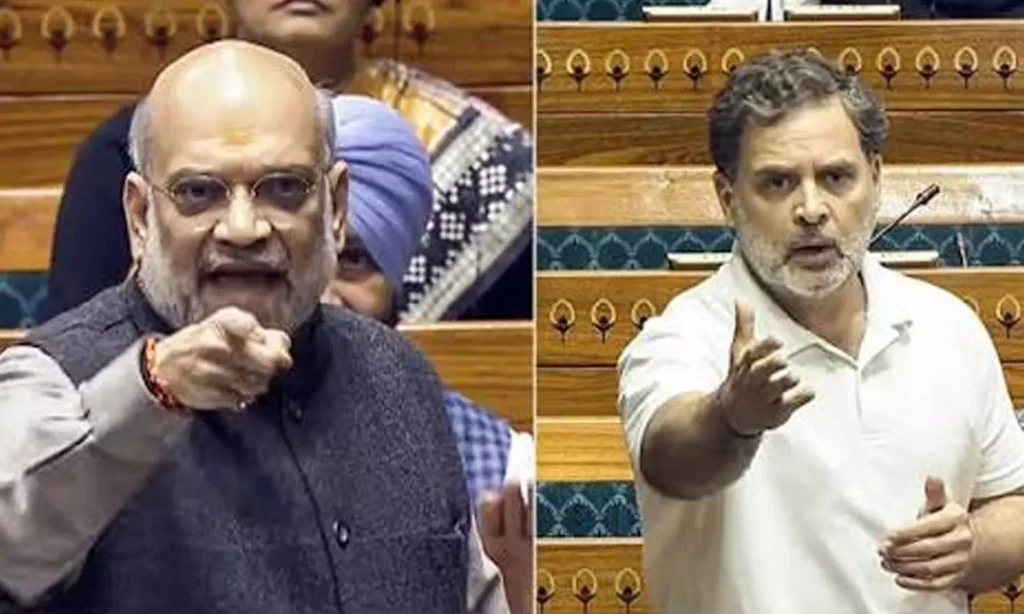
Home Minister Amit Shah came out and basically said, look, we’re ready. We can talk about everything that happened with the students. The ones who marched towards Parliament on July 20 over the NEET paper leak mess. He told reporters outside that the government has nothing to hide. Kiren Rijiju had already said the same thing earlier — the government is fine with a full discussion. Shah went a step further. He said if the Opposition just puts it in writing to the Speaker by around 2 or 3 in the afternoon, they’re ready to start talking from 3 pm that day and keep going till 3 pm the next day. He said he’ll sit there himself the whole time, listen to everyone, take notes, and answer every single point. No running away. “Let the public decide who’s running away,” he said. Pretty direct. He even offered to suspend Question Hour if the Speaker allows it, just so the discussion can go on properly. Under Modi’s government, he said, they’re ready to discuss anything. The ball is in the Opposition’s court. Rahul Gandhi didn’t take long to reply. And he didn’t soften it. He said the Opposition is not interested in listening to Amit Shah give them a lecture. When he says “we,” he meant the younger generation of this country. That’s who he’s speaking for, according to him. He listed out the questions he actually wants answers to. Who shot the students? Who ordered them to be beaten with lathis that had nails in them? Who gave the order that allegedly blinded one student and hit another in the ear? Then he asked the straight question: Did Amit Shah give that order to shoot our children? If he did, he should resign because he’s responsible. If he didn’t, he should resign because he’s incompetent. Either way, resign. Rahul also kept pointing out that Shah had been missing from the House for almost 20 days. “The Home Minister of India has no courage. He cannot come to the House,” he said. He called the sudden offer of a long discussion an attempt to fix a balloon that has already burst. They’re trying to put the gas back in at the last minute, according to him. That’s where the two sides stand, and it’s not moving. The whole thing started with the student protests after the NEET-UG paper leak. On July 20 they tried to march to Parliament. Police stopped them, force was used, and then the stories started — injuries, claims of pellet guns, spiked sticks. The Opposition has been demanding that Shah answer for it because Delhi Police comes under the Home Ministry. The government keeps saying Parliament is the place to discuss it, just let the House function first. For days it’s been the same scene inside. Disruptions, slogans, no real work getting done. Outside, both sides are holding their own protests. One side saying Shah must come and answer. The other saying the Opposition is just not letting Parliament work. Shah’s offer of almost a full day of discussion was unusual. He was putting himself on the line, saying he’ll sit there and reply so the country can see the truth. Rahul’s answer was just as clear: we don’t want the speech. We want the specific answers. Who ordered what happened to those students. As of Wednesday evening, nothing had really changed. No smooth path to an actual debate. The Speaker would still have to handle any formal notice, and the mood in the House stayed the same — tense and stuck. Both men claimed to be speaking for the students and the young people. Both said the public will decide. But the gap between “I’m ready to answer every question” and “we’re not interested in your lecture” is still wide open. And that’s where Parliament is right now. Same fight, same positions, and the questions about what happened on July 20 still hanging over everything. Sources: Times of India, The Indian Express, The Statesman, Rediff, Indiablooms and Economic Times reports from 12 August 2026. @Rohit Manral
“Extremely Unhygienic”: Raid Exposes Filth In Zepto’s Bengaluru Warehouse
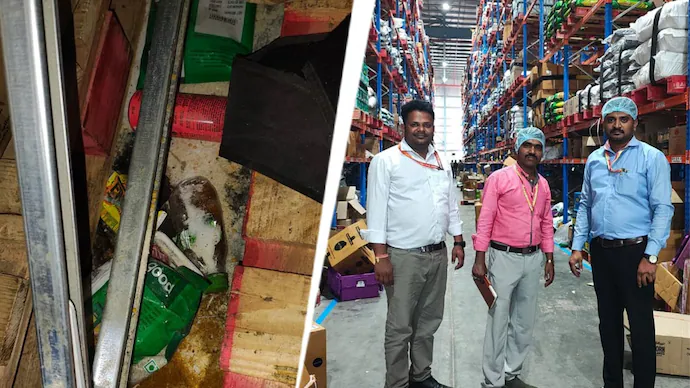
Food safety officials walked into a Zepto warehouse out in Hoskote, on the rural edge of the city, and what they saw stopped them cold. Organic waste just lying around. Discarded wrappers and empty bottles scattered across the floor. Dirt built up in places it shouldn’t be. Empty cardboard boxes left wherever. The whole place looked neglected. Officials didn’t mince words. They called the conditions “extremely unhygienic.” The warehouse is run by Nippon Express for Zepto, the quick-commerce app people use to get groceries and snacks in minutes. The inspection was part of a special drive by the Food Safety Division of the Food Safety and Drug Administration Department. They went in to check how food was being stored, handled, labelled, and kept safe. What they found was a list of problems: non-compliant labelling, misbranding, unhygienic handling, and storage that clearly didn’t meet the standards. All of it under the Food Safety and Standards Act and the FSSAI rules that are supposed to protect people. They sealed the place right away. Issued a notice. And recommended that a case be filed against the facility. The department’s statement was straightforward. Strict action will be taken against anyone found breaking the rules. These drives will keep happening so people can actually trust the food that reaches them. Pictures that came out later showed packets of food items just sitting around, soft drink cans and milk products kept in no particular order, and garbage mixed in with everything. It’s the kind of mess that makes you wonder what else is going on behind the scenes of those 10-minute deliveries. This wasn’t a one-off raid. The same day, officials were checking Indira Canteen kitchens across the city. They sealed the central kitchen at Gottigere after finding similar unhygienic handling and storage issues. Notices went out to other canteens too. Samples of pulses, turmeric, oil, jaggery, salt, sugar and cooked food were taken for lab tests. The whole push is happening under the watch of Karnataka’s Health and Family Welfare Minister UT Khader. On top of that, the Bengaluru North City Corporation slapped a ₹25,000 fine on Zepto at its Thanisandra spot for not keeping the place clean. So the pressure is coming from more than one direction. Zepto’s response was measured. A spokesperson said the company had noted the observations and the suggestions from the officials and was taking steps to fix things. No big argument, just an acknowledgement that work needs to be done. For a lot of people in Bengaluru who order milk, fruits, snacks or packaged food through the app without thinking twice, this hits differently. You tap a button, the bag arrives, and you assume everything along the way was handled properly. Seeing organic trash next to food packets and dirt on the floors of a warehouse that supplies those orders changes the picture. It forces you to ask how carefully the system is really being watched. The food safety department has been busy in recent days. Hotels and restaurants have already been under the scanner. Expired items, fungal growth on vegetables, poor separation of veg and non-veg food — all of it has turned up. Now the net has widened to the warehouses and dark stores that keep the quick-commerce machine running. The officials are making it clear this isn’t going to stop. They want the public to get food that’s actually safe and clean. Whether this particular sealing and the recommended case lead to lasting changes is something only time will show. What is obvious right now is that the authorities are not looking the other way. And for the people who rely on these apps every day, the images from that Hoskote warehouse are a reminder that convenience should never come at the cost of basic hygiene. That’s the story as it stands. A sealed warehouse, a list of violations, and a push for cleaner practices in a sector that has grown faster than the oversight in some places. Sources: NDTV, The Hindu BusinessLine, India Today, Moneycontrol, Times of India, LiveMint, Hindustan Times, News18, Free Press Journal, Times Now (reports from 11–12 August 2026). @Rohit Manral